




Vinyl rarely wears out from being sat on. It wears out from grit grinding into the grain, sun baking the softness out of it, and one enthusiastic cleaning session with the wrong product. We recover seats every week that died years before their time, so consider this the prevention plan we wish came in the glovebox of every boat and car.
Covers do most of the work
Nothing you spray on vinyl protects it like keeping sun and dirt off it in the first place.
- On the boat: use a mooring or cockpit cover whenever the boat sits, and add individual seat covers for the helm and lounges if you dock in the open. Choose a breathable material, because a plastic tarp traps condensation and grows mildew underneath.
- In the car: a garage or carport is best, a windshield shade is the cheap runner-up, and simple seat covers earn their keep in work trucks or any vehicle that hauls dogs, kids, or drywall.
- Check the fit. A loose cover that flaps in the wind rubs like sandpaper against the very seats it is supposed to protect.
A ten-minute routine that beats any product
Dust and dirt are abrasive. Every time someone slides across a dusty seat, the grit works into the grain like fine sandpaper, and that is exactly how vinyl goes dull and gray in the spots people use most.
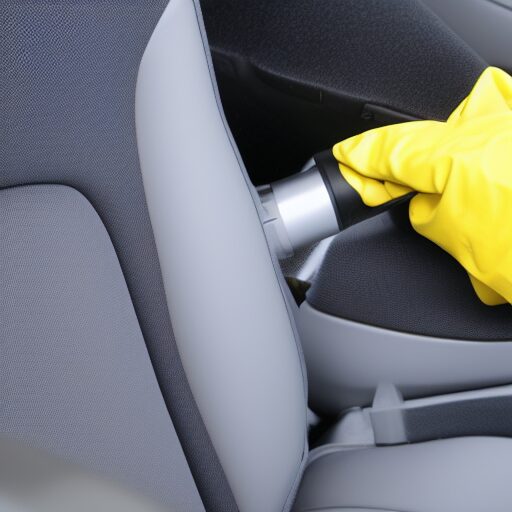
Once a week during the season, vacuum or brush out the crevices and seams where dirt collects, wipe everything down with warm water and a few drops of mild dish soap, go over it with a clean damp cloth, and dry it. That is the whole program. For seats that are already grimy or spotted with mildew, our guide on how to clean boat upholstery walks through the deeper cleaning safely, and the same rules apply to vinyl car seats.
UV protectant, minus the slip and slide
Sun is the number one vinyl killer. UV slowly bakes out the plasticizers that keep vinyl soft, and once the surface stiffens, cracking is only a matter of time. A good protectant genuinely slows this down.
The catch is that the shiny, silicone-heavy dressings people love on tires turn seats dangerously slick, which is a real problem on a boat deck in wet swim trunks. They also leave a greasy film that grabs dust, so the seats get dirty faster than before. Use a water-based vinyl protectant with UV blockers, something in the vein of 303 Aerospace Protectant, applied to clean vinyl and buffed until the surface feels dry rather than glossy. Two or three applications over the season is plenty for most boats and cars.
Cleaners to never use on vinyl
Most of the ruined vinyl that comes through our shop was cleaned to death, not neglected. Keep these away from your seats.
- Magic erasers. They are micro-abrasives, and they scrub off the protective topcoat right along with the stain. The spot looks great for a month, then fails for good.
- Bleach. It weakens the vinyl surface and eats the stitching, so seams let go early. Even for mildew there are gentler answers.
- Ammonia and glass cleaners, which dry out and cloud the surface.
- Acetone, gasoline, and harsh degreasers, which can soften or permanently mar vinyl on contact.
- Stiff brushes and scouring powders, which scratch the grain open so it holds more dirt than before.
If a mystery stain will not move with soap and water, ask before escalating. A phone call is a lot cheaper than a new seat cover.
Storage habits that do the other half
How vinyl sits between uses matters as much as how it gets cleaned. In Central PA humidity, damp storage is where good seats go to die.
- Dry everything before covering the boat, and store loose cushions indoors over the winter instead of leaving them under a snow-covered tarp.
- Leave some airflow under any cover, because trapped moisture means mildew freckles by spring.
- Park the car in shade when you can, and keep sandy tools, salty gear, and pet claws off bare vinyl. A cheap blanket saves an expensive seat.
- Brush off dusty seats before sliding in. It sounds fussy, but grit under denim is precisely how wear spots start.
When prevention is already too late
If your vinyl is cracked, stiff, or worn through the topcoat, no protectant will bring it back, and that is where we come in. Our auto upholstery service recovers car and truck seats in commercial-grade vinyl and leather, and we do the same for boat interiors with proper marine vinyl and UV-resistant thread.
Recover work varies a lot with size and condition, from modest single-seat jobs to full interiors, and every seat is different, so call 717-383-6917 for an exact estimate on yours.
FAQ
Is a magic eraser really that bad for vinyl?
Yes. It works by abrasion, like ultra-fine sandpaper, and vinyl depends on a thin protective topcoat. Once that layer gets scrubbed away, the seat stains faster, fades faster, and cracks sooner in that exact spot.
How often should I apply UV protectant?
Every four to six weeks through the heavy summer sun, and less often for a garaged vehicle. Always apply it to clean vinyl, since sealing dirt underneath a protectant just locks the grit against the grain.
Can stiff or faded vinyl be revived?
Light fading often improves with a deep clean and a quality protectant. Stiffness is different, because it means the plasticizers are gone and cracking is next. At that stage recovering the seat is the honest fix, and it usually costs less than people expect.
Want a straight answer about your seats before you buy another bottle of cleaner? Send photos through our free online estimates page or call 717-383-6917. We are in Myerstown and see boats and vehicles from all over Lebanon and Lancaster counties.

