


Project Details Upholstery 1950 Truck Bench Seat
- Project:
- Category: antique and classic car
- Our Task: 1950 Truck Bench Seat Reupholstery. Leather interior


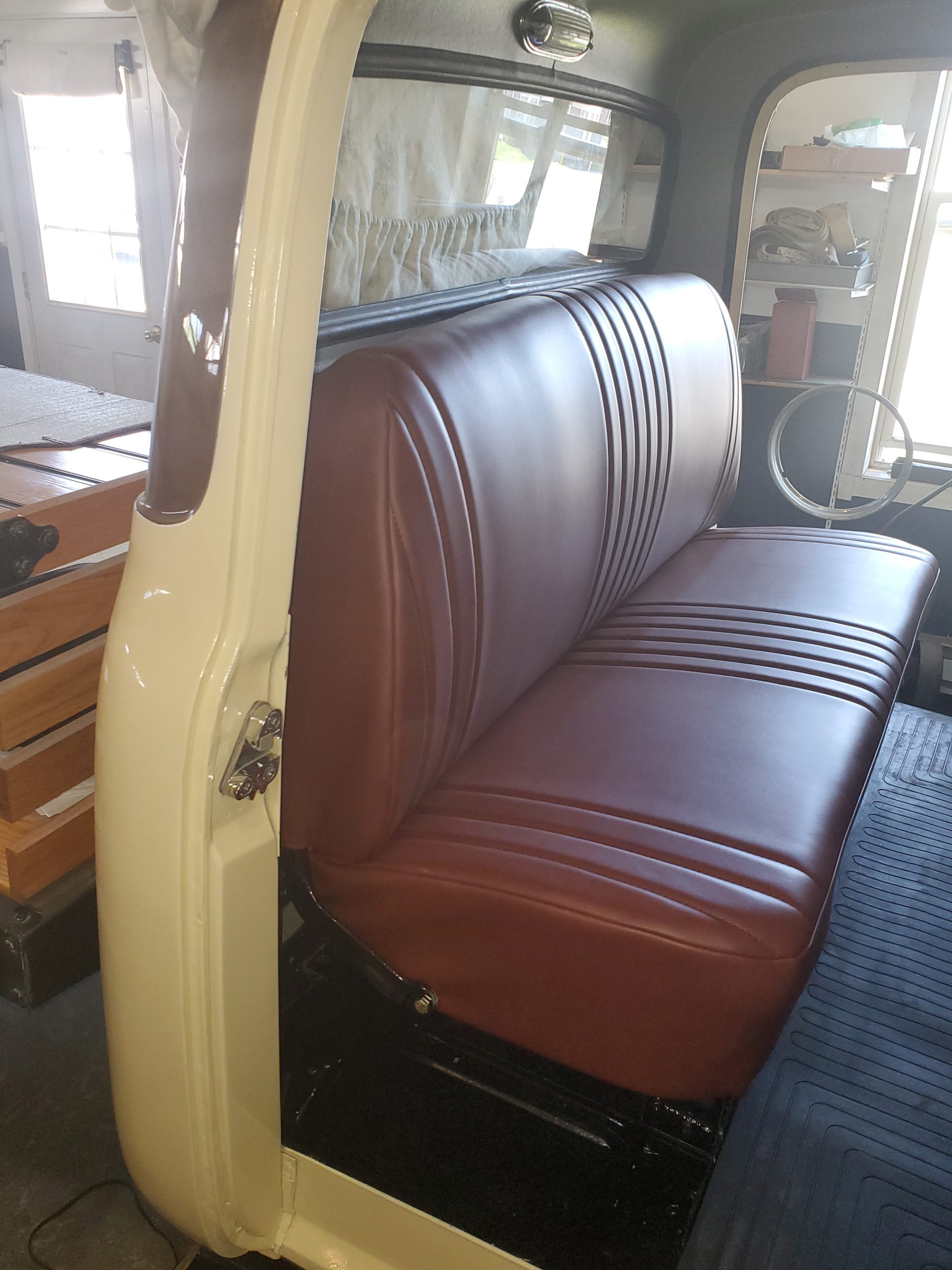


Nobody ever photographed a 1950 truck bench seat on purpose, and that is sort of the point. It was the working sofa of American life, three across, no console, no cupholders, just a wide cushion where the dog sat in the middle and the parts run got made. Every farm, lumberyard, and small town in the country ran on seats exactly like it.
Which is why, when an owner brings one in, the request is almost never make it fancy. It is make it right. A midcentury truck bench has a particular feel, firm, a little springy, sitting tall so you can see over the hood, and our whole job is getting that feel back without the sag, the springs in the ribs, or the duct tape racing stripe down the driver’s side.
Strip a 1950 era bench and you find a sandwich that has not changed its recipe since before the war. At the bottom is a steel frame and pan, the skeleton. Standing on it is the spring deck, usually a field of coil springs clipped to a border wire, sometimes zigzag sinuous wire on later or replacement units. That deck is the seat’s suspension, completely separate from the truck’s.
Over the springs goes burlap, a humble layer with an important job, keeping the padding from working its way down into the coils. Then comes the padding itself, in 1950 almost always layered cotton batting, sometimes with a hair pad on nicer trims. The cover, vinyl or a cloth and vinyl combination, wraps all of it and gets tensioned to the frame with hog rings.
Each layer has one task, and each fails in its own way. Understanding the sandwich is the difference between reupholstery and just putting a new shirt on a broken back.
The padding goes first. Cotton compresses a little every time someone sits, and after a few hundred thousand sits it stops coming back at all. Owners feel this as the seat going flat and sitting lower, and the fix people try, a folded blanket, tells us the diagnosis before we ever see the truck.
The burlap goes next, rotting from age and moisture until springs punch through and start chewing the padding from below. Then the cover, hardened by sun, splits along the driver’s entry edge where it flexes most. Once water can reach the cotton, the pad holds damp, the pan rusts beneath it, and the whole system spirals.
The springs are usually the survivors. Midcentury spring steel was excellent, and outside of a broken coil or two on the driver’s side, most decks can be rescued, re-clipped, and put back to work. That is good news, because the original deck is a big part of the original feel.
Our process runs bottom up. The bench comes out of the truck and apart on the bench, with the old cover saved as a pattern. The frame and pan get cleaned to bare metal where rust has taken hold, treated, and painted so the new work is not sitting on old corrosion.
The spring deck gets rebuilt, broken coils replaced, wandering coils re-clipped, and the whole field checked for even height, because a wavy deck telegraphs straight through to the finished cushion. New burlap goes on tight. Then the padding conversation happens.
Owners can have traditional cotton, which gives the authentic firm ride and the period correct look under the cover, or a cotton and foam hybrid, which keeps the profile but adds modern resilience. For trucks that get driven, we usually recommend the hybrid. For strict restorations we build it exactly as 1950 did. This layered approach is the core of our auto upholstery service, whether the patient is a truck bench, a bucket seat, or something stranger.
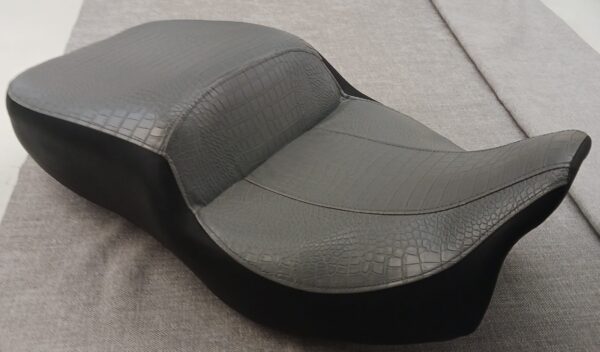
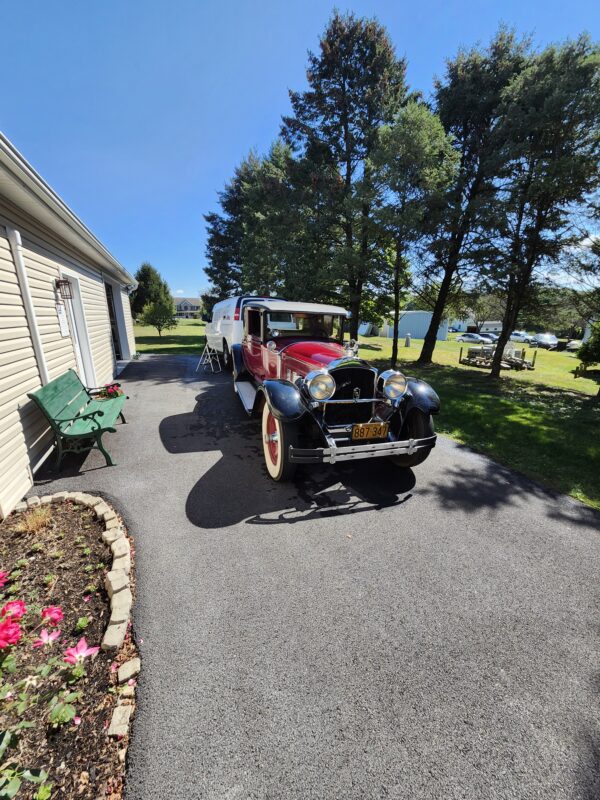
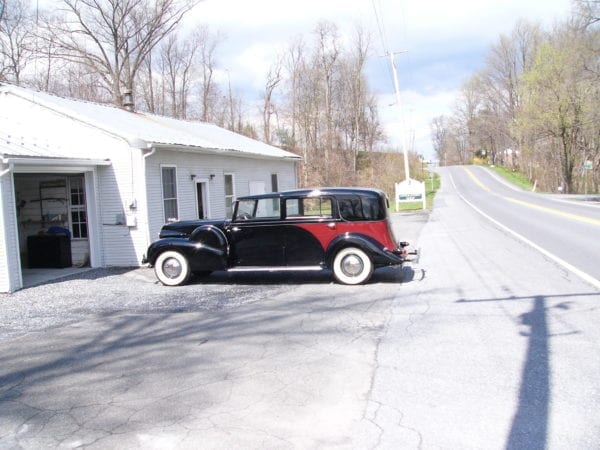
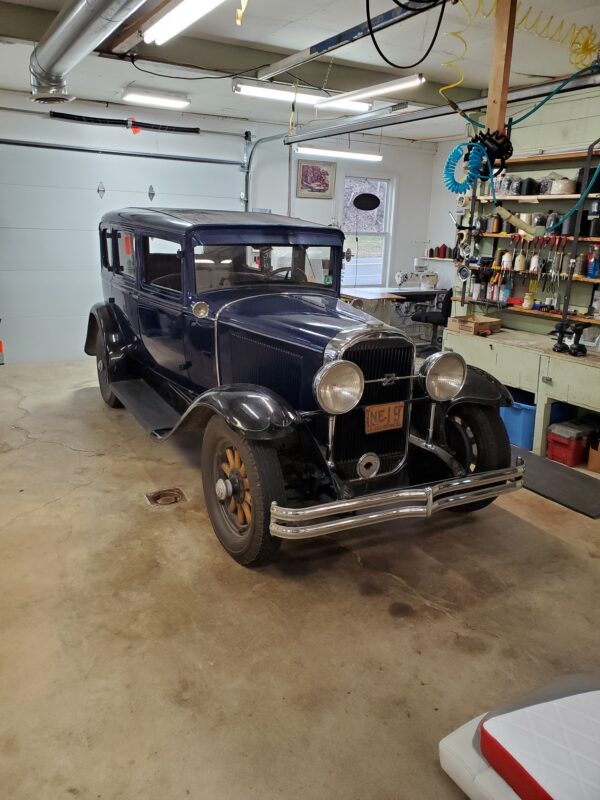
And stranger does come through the door. The same layer logic scaled down runs through our motorcycle upholstery service, where an inch of padding has to do the work of six. Meanwhile at the other end of history, the 1930 Buick we trimmed carried the same sandwich two decades earlier, just fastened with tacks and twine instead of clips and rings.
Vinyl is the natural cover for a working bench, but vinyl is not one material. There is thin economy vinyl that looks fine for a season, and there is heavy commercial and marine grade material with strong knit backing that survives a decade of tool belts and dog claws. On a truck, we push owners toward the heavy end every time. The labor is the same either way, so the material is the only place saving goes wrong.
Modern synthetics have earned their place too. Today’s better faux leathers breathe more, flex longer, and grain more convincingly than anything available even fifteen years ago, and we laid out the case in our take on faux leather as an upholstery material. On a bench that lives in weather and work, those properties matter more than pedigree.
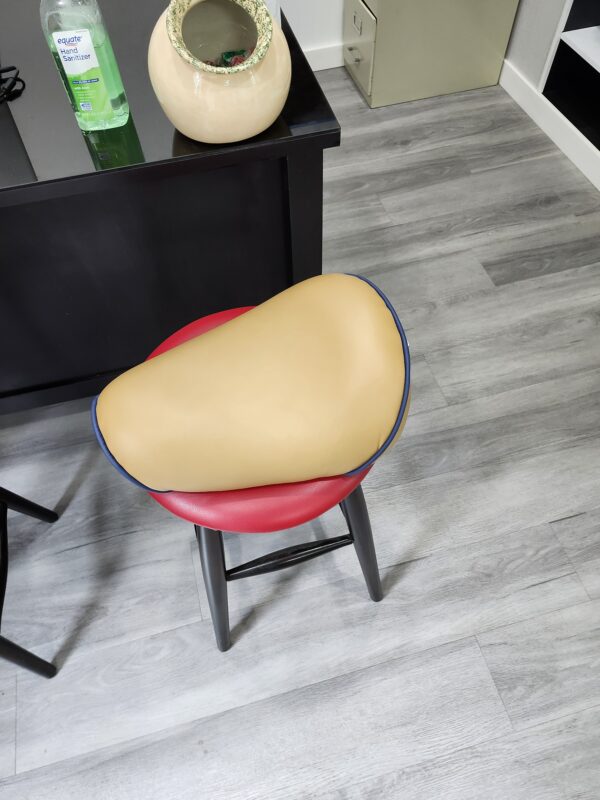
For period flavor, a cloth insert down the center with vinyl facings is a correct midcentury look and adds grip so passengers slide less in corners. Colors of the day ran to tans, browns, maroons, and greens, and a bench in one of those shades makes the whole cab look restored even before anything else is touched.
The reproduction market keeps making this easier. Walk the aisles of the annual SEMA show and you will see how deep the specialty interior industry runs now, with period grains, correct colors, and hardware for trucks that last saw a dealership during the Truman administration.
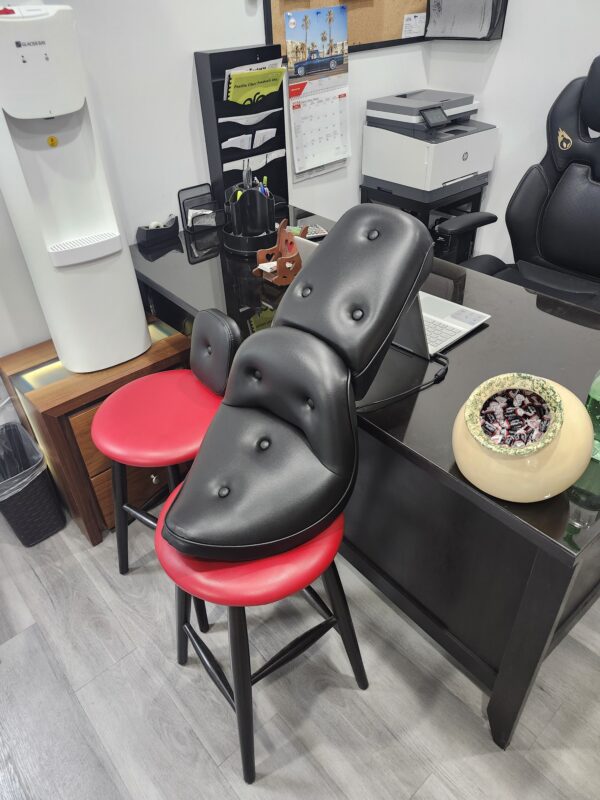
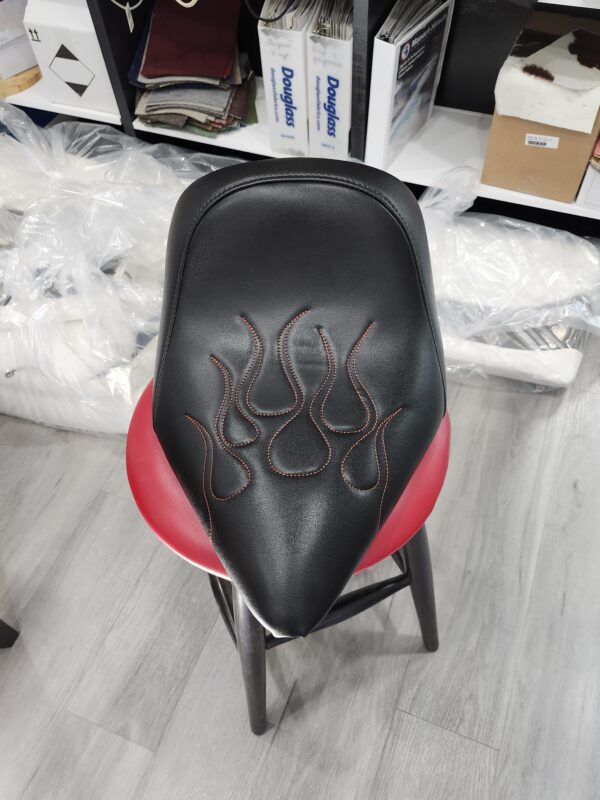
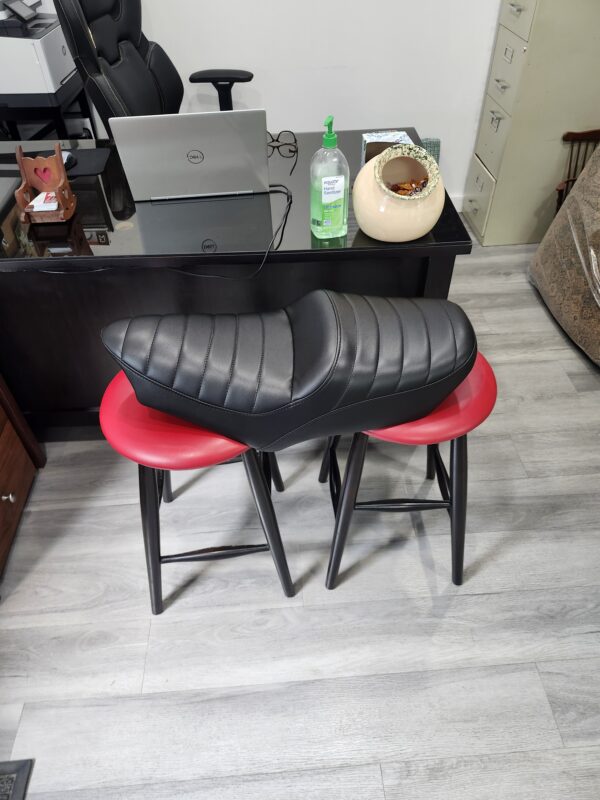
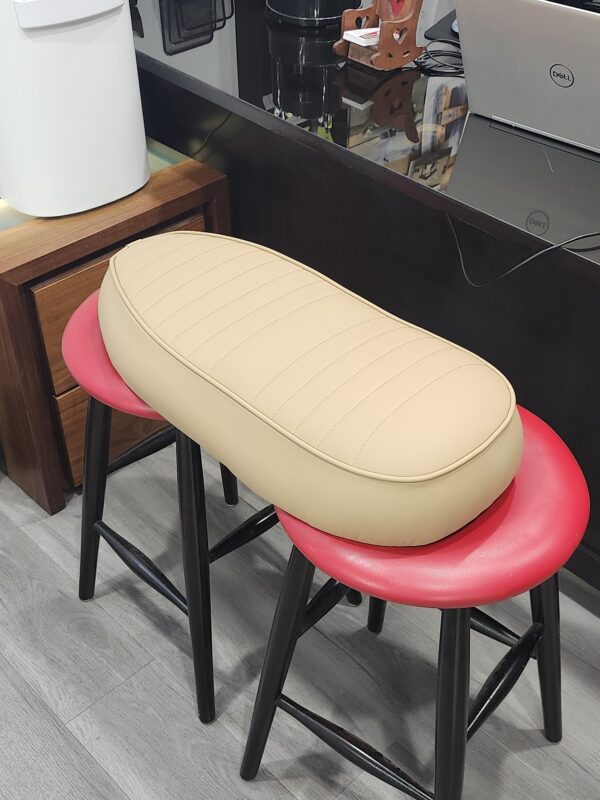
Some owners bring us a bench and a wilder idea, pleats, contrast stitching, a color pulled from the paint code, and we are happy to oblige. A work truck turned weekend cruiser can carry a custom interior beautifully, and the bench is a big friendly canvas for it.
The trick is coherence. Insert patterns, welt color, and stitch style should agree with the truck’s character rather than fight it. We keep the structure period and let the surfaces play, the same philosophy behind the 1960 Mini Cooper custom design interior we built, where a vintage shell got a personalized cabin without losing its era.
Original or custom, the bench should come out of the shop sitting level, crowned slightly at the front edge, and tight enough to drum your fingers on. That is the standard regardless of style.
Vinyl’s enemies are sunlight, grit, and neglect, in that order. Park in shade when you can, and use a windshield shade in summer, since cab temperatures climb high enough to age material all by themselves. Grit acts like abrasive between jeans and cover, so a quick wipe down and vacuum every few weeks does more than any miracle product.
Clean with mild soap and water, skip the solvent cleaners, and go easy on glossy dressings, which attract the very dust you are fighting. We keep our full routine in the guide on keeping vinyl seats ahead of dirt and dust, and none of it takes ten minutes.
Mind the mechanical habits too. Sliding in with a loaded tool pouch, letting the seatbelt buckle slam onto the cushion, hauling a battery on the passenger side, these do more damage than years of ordinary sitting. The bench is tough, but it is upholstery, not a tailgate.
Depends on the truck’s job. Cotton alone is correct for strict restorations and gives the true 1950 feel. A cotton over foam hybrid keeps the period profile while holding its shape far longer, which is what we recommend for trucks that see regular use.
We can, and sometimes it is the right call on a budget or to preserve an original cover. The honest caveat is that new material rarely matches sun faded old material perfectly, and a bench rebuilt on one side often reveals how tired the other side is. We will show you both options against the actual seat.
Almost always. Benches swap between makes and years constantly in the truck world. We rebuild the seat itself to spec, and if mounting points differ we can advise on riser modifications so the finished bench sits at the right height and angle in your cab.
If your bench has reached the folded blanket stage, send photos through our free online estimates page or call the shop at 717-383-6917. We will tell you what is under that cover, what it needs, and how to get three across seating back the way 1950 intended.
 Get a Free Quote!