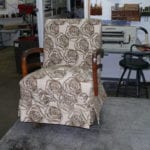



Project Details. Time: 3.5 hours
Tractor Seat Upholstery
- Project: Tractor Seat
- Category: Tractor Upholstery
Our Task
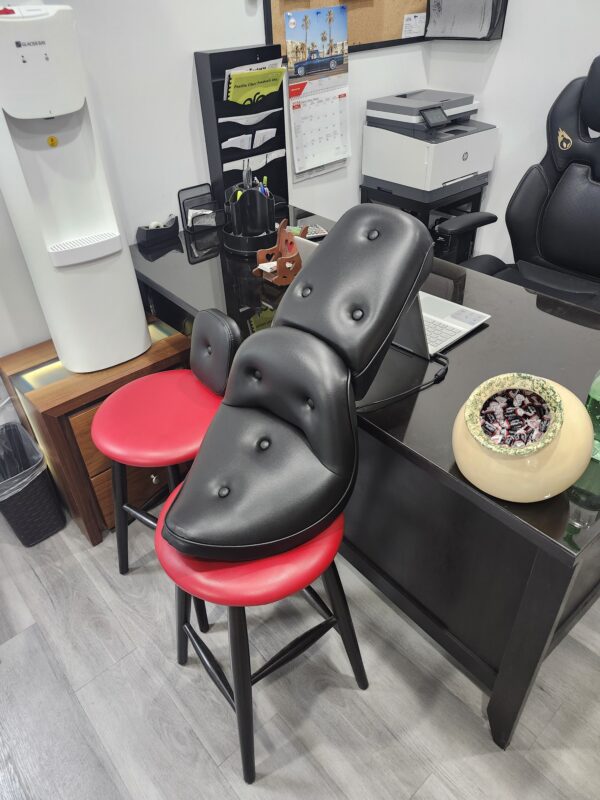
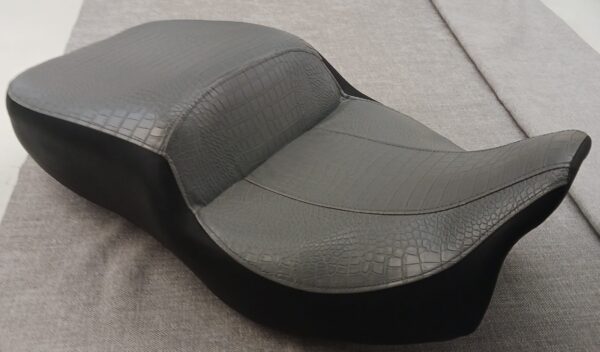
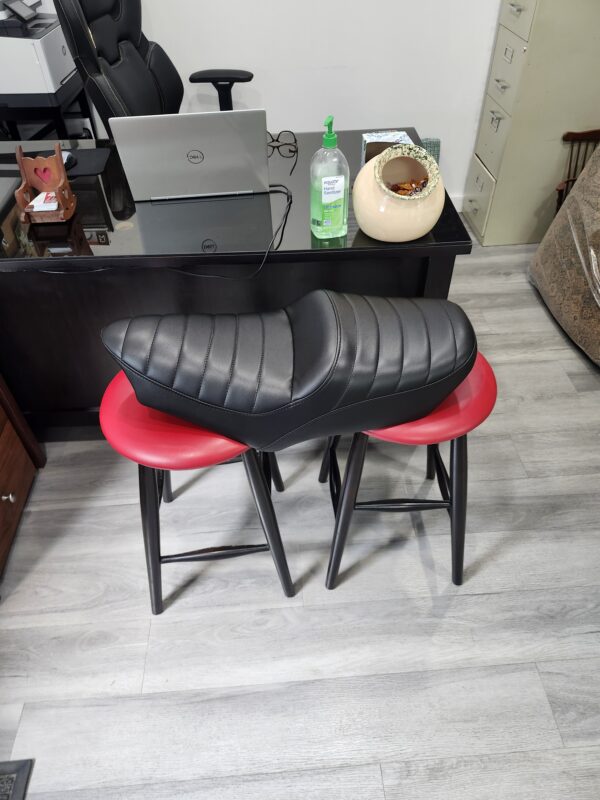
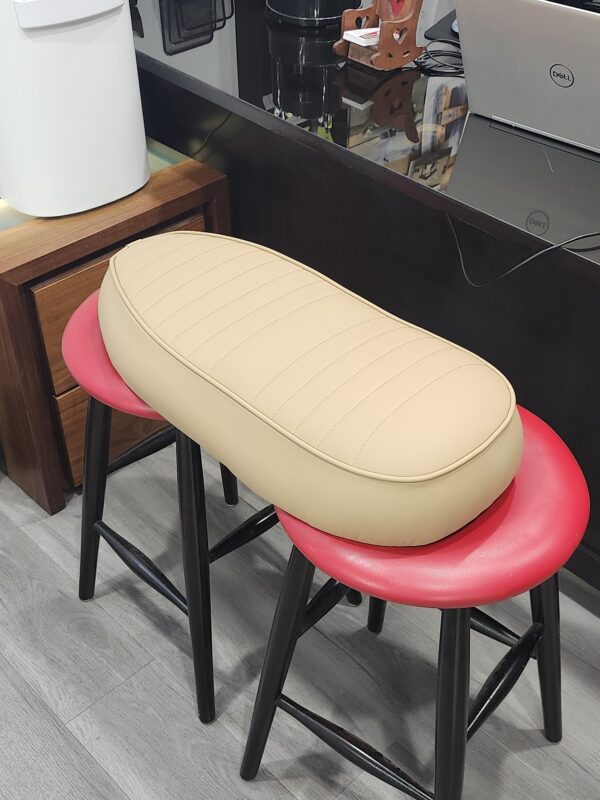
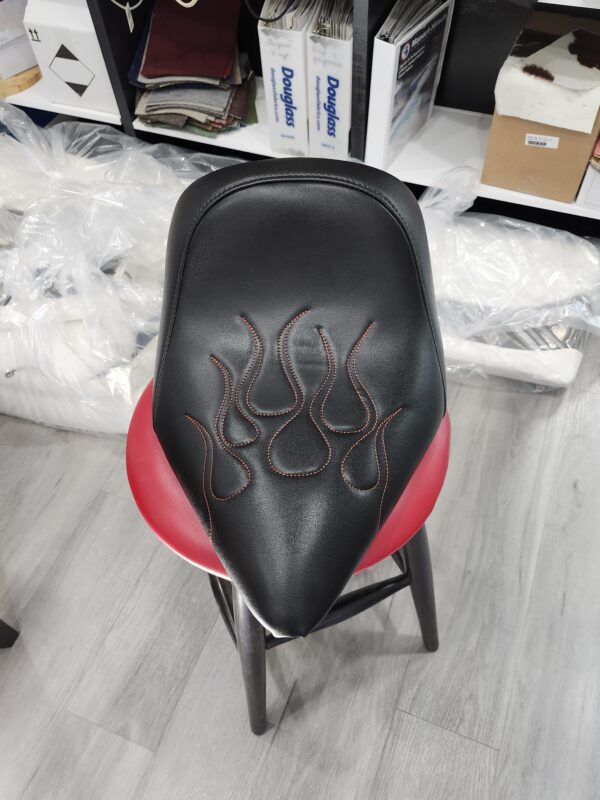
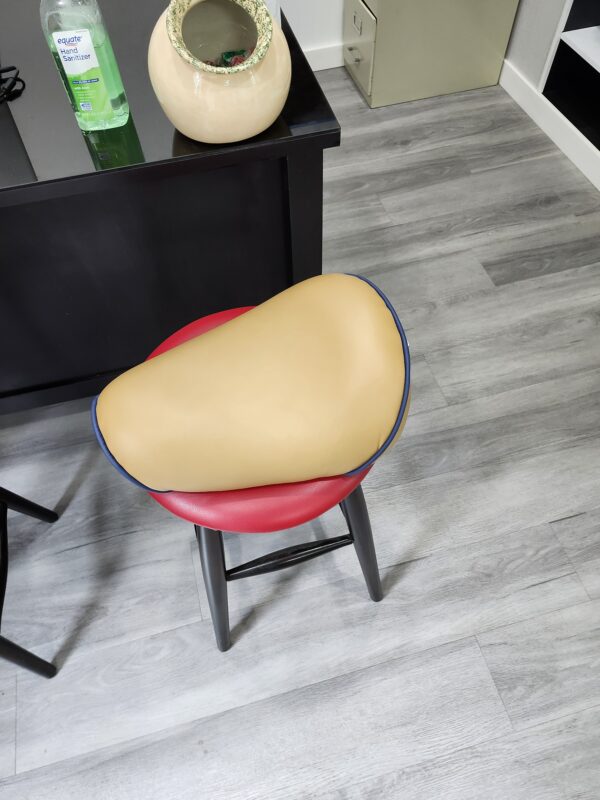
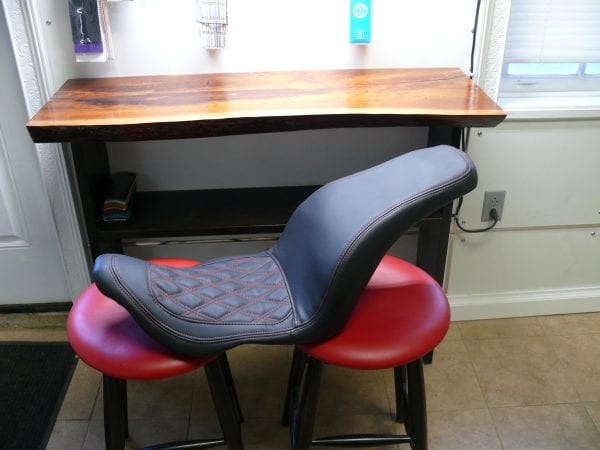
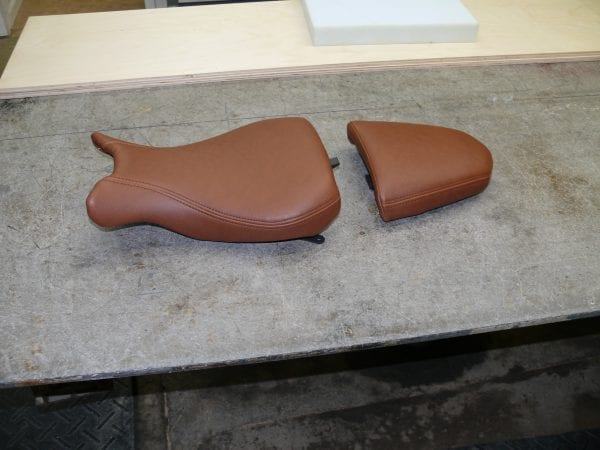
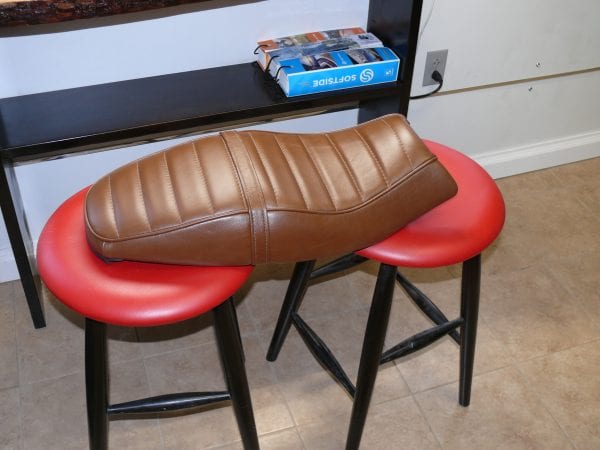
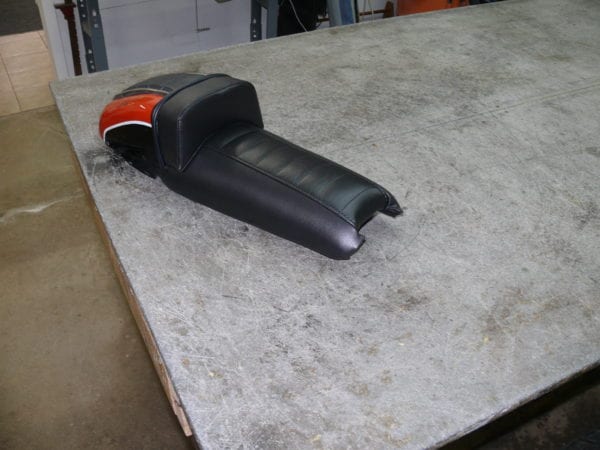
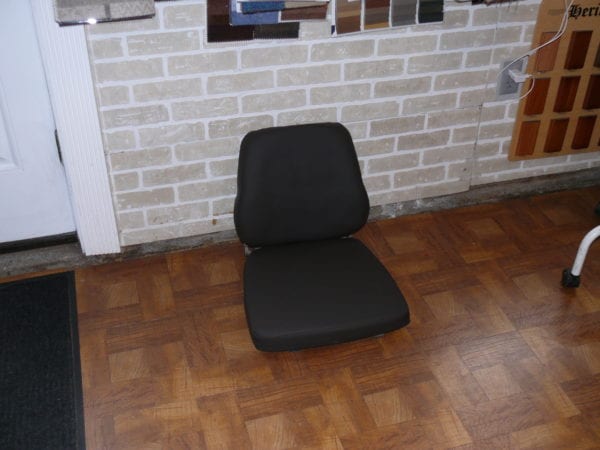
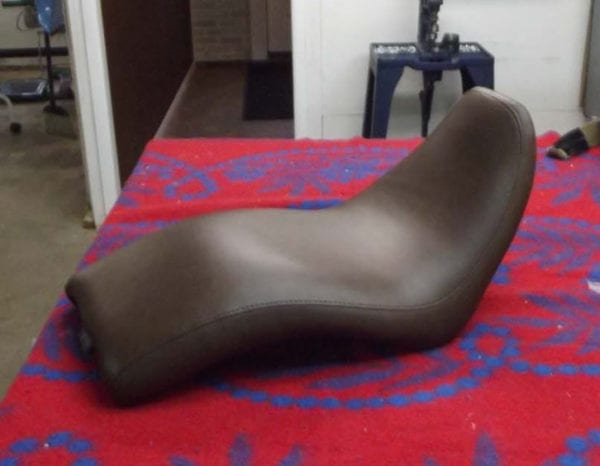
We completely Reupholstery tractor seat



Tractor Seat Upholstery
We completely Reupholstery tractor seat
No seat in your life works harder than the one on your tractor. It gets sat on in wet jeans, baked in July, frozen in January, climbed over with tools in hand, and parked under a barn roof where the mice hold their annual convention. Then it is expected to be comfortable for six straight hours of mowing.
We rebuild a lot of tractor seats, and we have come to respect them the way you respect a good pair of work boots. This is upholstery with a job to do, and building it right calls for different thinking than a parlor sofa or a show car bucket.
The oldest tractors did not bother with upholstery at all. A contoured steel or cast iron pan, sometimes drilled with drain holes, bolted straight to the frame, and the operator supplied his own padding. Farmers stuffed grain sacks and folded blankets under themselves for decades before manufacturers admitted the human back deserved better.
By the middle of the century, padded seats arrived: a steel pan base, a slab of foam, and a heavy vinyl cover stretched over the assembly, often with a matching backrest. Later machines added suspension under the seat, springs or torsion bars that soak up the field before it reaches your spine. The upholstered part of the system stayed simple on purpose, because simple survives.
That simplicity is good news for owners. Nearly any tractor seat, from a fifties workhorse to a modern utility machine, can be stripped to its pan and rebuilt better than it left the factory. The Historic Vehicle Association has spent years making the case that working vehicles are heritage every bit as much as show cars, and we agree from the seat up. A grandfather’s tractor still earning its keep deserves the same respect as anything wearing chrome.
There is a surprising amount of brand pride wrapped up in these seats, too. Every make had its own colors and its own cushion profiles, and longtime owners can spot a wrong seat across a fairground. When we rebuild for a machine with that kind of history behind it, we match the era’s look as closely as the materials allow, so the seat belongs to the tractor instead of just sitting on it.
Sunlight does the most damage, and it never takes a day off. UV breaks down vinyl at the molecular level, first chalking the color, then hardening the surface until it cracks along the crown of the cushion where the sun hits longest. Once the skin splits, rain gets into the foam, and open cell foam holds water like a sponge. A seat that squishes after a storm is a seat rotting from the inside.
Cold does its share as well. Vinyl stiffens as the temperature drops, and the first heavy sit on a frozen January morning is how a lot of winter cracks get born. A material that flexes happily in June can split like an envelope in January.
Then come the mechanical insults. Tool belts, rivets on jeans, a dog riding along on the fender, the twist of a body climbing on and off a thousand times a season. Fuel and hydraulic fluid find their way onto the cushion and soften the vinyl wherever they land. And any seat stored in a barn eventually meets rodents, who consider seat foam the finest nesting material ever manufactured.
The failure pattern is almost always the same: cracked cover, soaked and crumbling foam, and a pan wearing rust where water sat against steel. Each stage makes the next one worse, which is why a seat that limped along for years seems to fall apart all at once.
Every rebuild starts with the pan, because a fresh cover over a rusty pan is a countdown timer. We strip the old material, take the steel down to sound metal, treat it, and coat it so the new foam sits on a surface that will not bleed rust into it. If the pan is pitted through, it gets patched and welded before anything soft comes near it.
The foam matters more than most owners expect. We use dense, resilient foam that supports a working adult through a full day, shaped so water sheds toward the edges instead of pooling in the middle. On machines that live outdoors, we build the cushion so it can breathe and drain rather than trap moisture against the pan.
Backrests and armrest pads join the project on machines that have them, since they fail the same way the cushion does, just a season or two later. And if the seat rides on a suspension base, we check its travel and bushings while everything is apart, because the freshest cushion in the county cannot make up for a suspension that bottoms out on every furrow.
The cover is cut from patterns we take off the original, sewn with UV stable bonded thread, and fitted tight enough that it will not shift and chafe under a sliding operator. We back the stitching at stress points, because a work seat gets yanked, knelt on, and used as a step. This is a different discipline from the concours end of our work, the kind of interior detailing you can see in our 1959 Ford Fairlane interior masterclass, but the standard of sewing is exactly the same. Only the priorities shift.
As for what a rebuild involves in your case, every seat is quoted individually after we inspect it, since a solid pan and a rusted one are very different projects. Our writeup on what goes into quoting a seat rebuild explains why we look before we talk numbers.
Material selection is where a tractor seat rebuild is won or lost. Standard automotive vinyl is built for a cab with glass and a roof, not for open weather, so we spec heavier commercial and marine rated vinyls with strong UV inhibitors and mildew resistant backing. The difference is not visible on day one. It is very visible in year five.
Texture deserves a thought too. A slick surface sheds water and wipes clean, but a light grain keeps you planted on a side slope. Color is the practical joke category: black looks sharp and doubles as a griddle in August, so we often steer open station machines toward lighter tones that stay sittable at noon. You can browse the ranges we carry on our fabrics and leather page and feel the weights side by side.
For tractors that have retired into parade duty, the calculation changes, and correct period looks may outrank weatherproofing. We have built both, sometimes for the same family. It is the same range we cover between a showroom piece and a daily hauler, or between the 1962 Studebaker Lark seats we brought back and the work rigs that fill the rest of the shop calendar.
The cheapest protection ever invented is shade. A shed, a lean to, or even a fitted cover over the seat multiplies the life of the vinyl several times over. If the machine lives outside, tip the seat forward when you park it, so rain runs off the back instead of pooling on the cushion.
Wash the cover with mild soap a few times a season, especially after fuel or hydraulic spills, and skip the pressure washer, which drives water past the seams and into the foam. Before winter storage, clean it, dry it, and make the seat unattractive to rodents by clearing out the cozy clutter around the machine. In spring, check the underside of the pan for new rust, because that is where trouble starts its season too.
One more habit that pays: if your seat design allows it, lift the cushion once a season and let the underside air out in the sun. Trapped moisture between foam and pan is the slowest, quietest failure in the whole system, and sixty seconds of daylight is its natural enemy.
It can survive it, with marine rated vinyl, drainage minded construction, and sealed seams doing their jobs. But even the best materials last longer under cover, so we still recommend shade or a seat cover whenever the machine sits for more than a few days.
Almost never. Pans can be patched, welded, and refinished, and for common machines replacement pans exist. We would far rather rebuild your original pan than see a wobbling aftermarket seat bolted onto a good old tractor.
Yes, if the right foam goes in. The dense, high resilience material we use is rated for constant compression cycles, which is exactly what a workday of bouncing amounts to. The soft bedding foam sold at craft stores is what gives quick rebuilds a bad name.
We handle work seats of every description, from farm machinery to the rolling living rooms like the Ford motorhome sofa and seat we rebuilt, all through the same auto upholstery service. Request a quote, or call 717-383-6917 and describe your machine. Bring the seat in dirty if you have to. We have seen worse, and we will say so with a smile.
 Get a Free Quote!