


Project Details
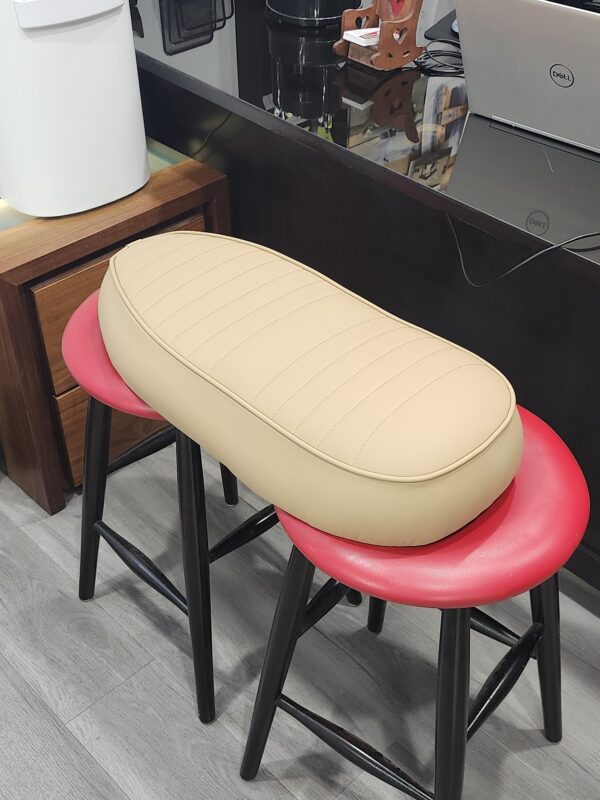
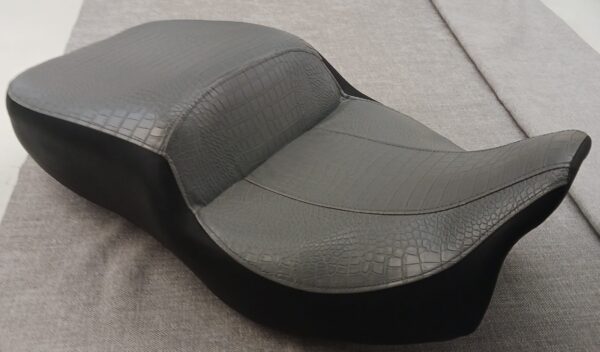
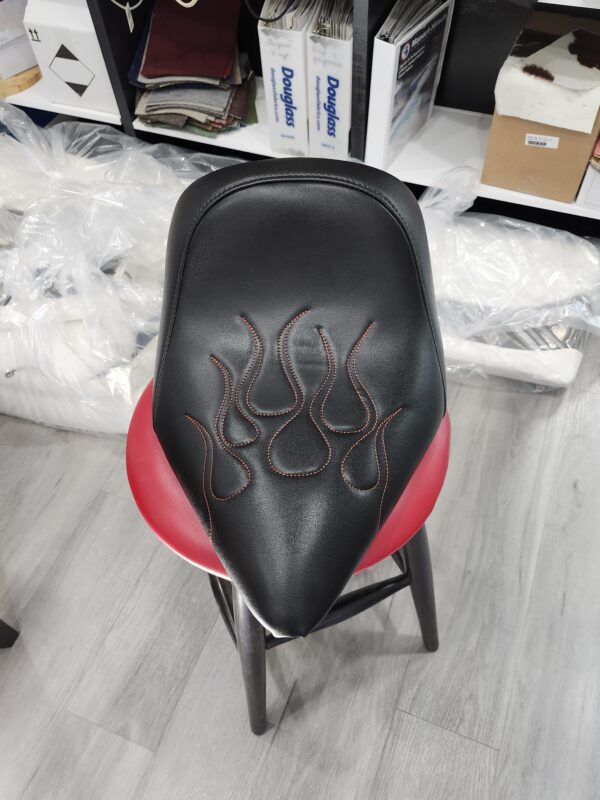
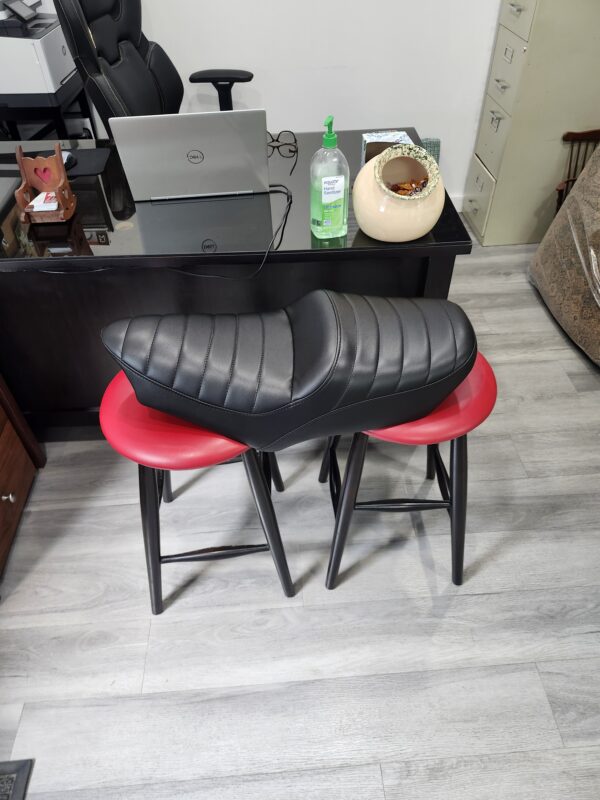
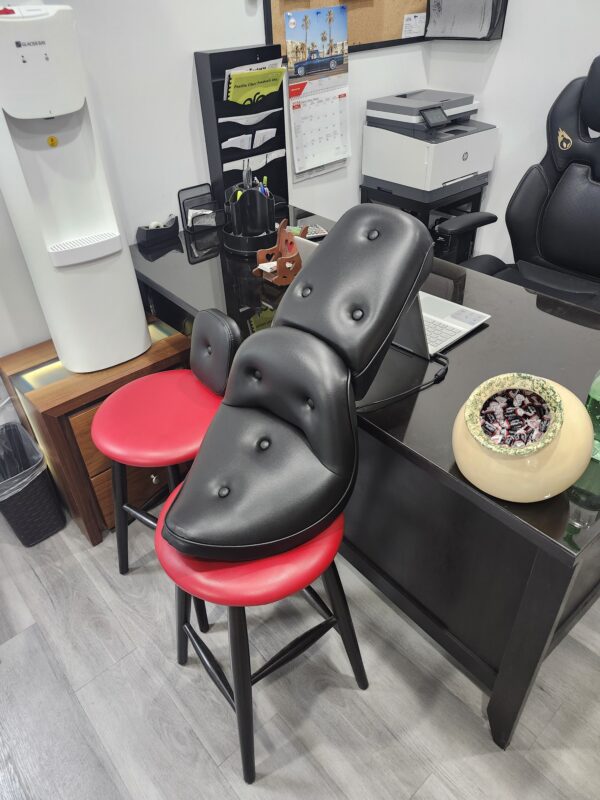
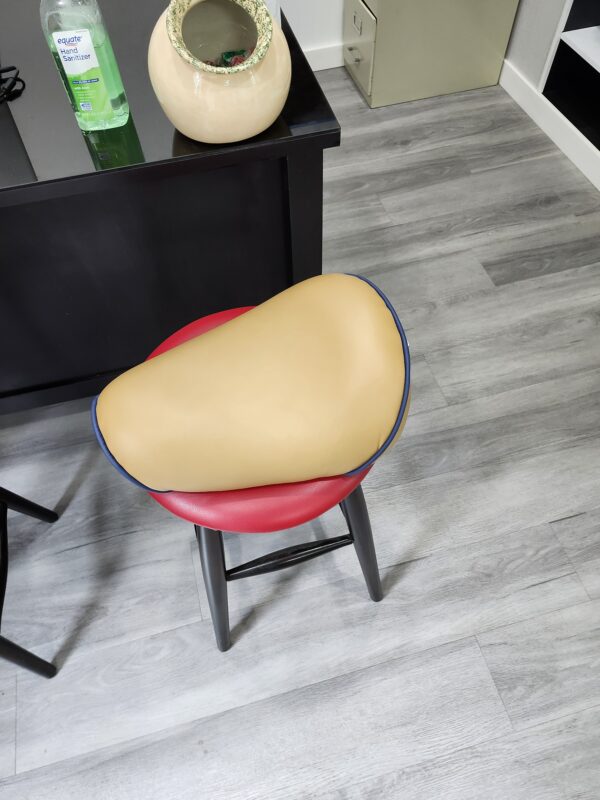
upholstery classic car seats. A.M.X. 1969
- Project: Car Seat
- Category: antique & classic car
Our Task
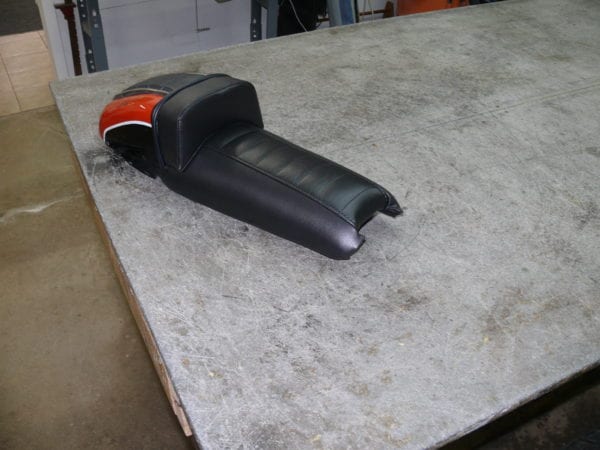
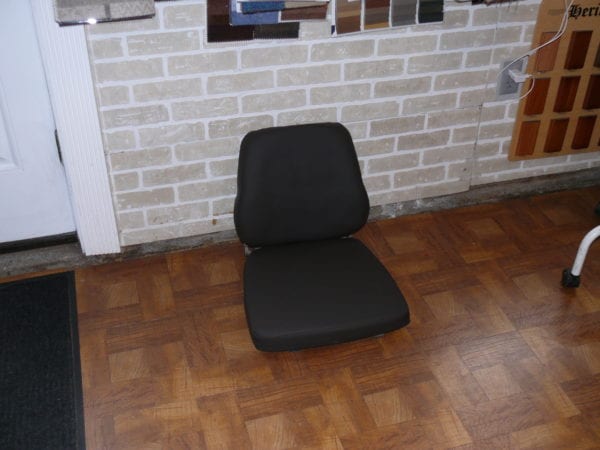
upholstery classic car seats. A.M.X. 1969.black leather upholstery



upholstery classic car seats. A.M.X. 1969
upholstery classic car seats. A.M.X. 1969.black leather upholstery
In 1969 there were exactly two American production cars with two seats, and one of them was a Corvette. The other was the AMX, which is the punchline AMC fans have been enjoying for over fifty years. American Motors took a fastback, pulled a foot out of the wheelbase, threw away the back seat, and built a genuine short wheelbase performance coupe out of sheer stubbornness. The people who own them now know all of this by heart, and they will tell you at length if you let them.
Owning one comes with a catch, though. A car this uncommon gets no favors from the reproduction market, and the cabin is half the car when there are only two chairs in it. When an AMX lands in our shop with split seams and collapsed foam, we treat those buckets the way a tailor treats a one of a kind suit. There is no spare hanging on a rack anywhere.
Because AMC deleted the rear seat, the AMX interior concentrates everything on the driver and one lucky passenger. The high back buckets carry the whole visual weight of the cabin, with vinyl covers in bold late sixties colors, molded foam over steel spring bases, and covers pulled tight with hog rings onto listing wires. Behind the seats sits a carpeted deck where the back seat would have gone, one of the great smug details in American car design.
The materials were honest for the price class. Grained vinyls, sturdy pleats, molded door panels with bright trim, and carpet that connected it all. Nothing exotic, everything coordinated. That coordination is precisely what makes a half restored cabin look wrong, because the eye catches a fresh seat against a faded panel instantly.
Sit in an unmolested AMX today and the design still works. The buckets locate you low and snug, the deck behind your head makes the cabin feel like a cockpit, and the whole room says 1969 without a single piece of woodgrain apology. Our job is to keep it saying that.
The failures follow a pattern we could sketch blindfolded. Sun splits the vinyl along the top of the seatback and across the outer edge of the driver’s cushion. The molded foam underneath dries out and crumbles, so the seat loses its shape while the cover deflates around it like a week old balloon. Underneath, the burlap barrier rots and lets what is left of the padding sag into the springs.
The driver’s outboard bolster takes the worst of it, because every entry and exit drags weight across the same few inches of material. Fifty years of that polishes the grain smooth, then cracks it, then opens the seam. Passenger seats routinely look a decade younger than driver seats, which is a museum grade record of how the car was actually used.
The steel underneath usually survives. Spring bases, tracks, and recliner hardware on these cars were built with midwestern pessimism, and rust on interior parts tends to be surface deep unless the car sat outside with wet carpets. Solid bones make for a clean rebuild.
Carpets fade unevenly under all that rear glass, and the deck behind the seats usually shows the worst of it, since that famous shelf faces the sky all day, every day, for half a century.
The factory never trimmed these buckets in leather, so the first conversation is about the car’s future. An owner chasing originality gets correct grain vinyl, correct pleat counts, and colors matched to what AMC actually offered, and the finished seats can face any judge. An owner building a driver sometimes wants leather, and that is a legitimate choice as long as it is made with open eyes, since it moves the car away from showroom stock.
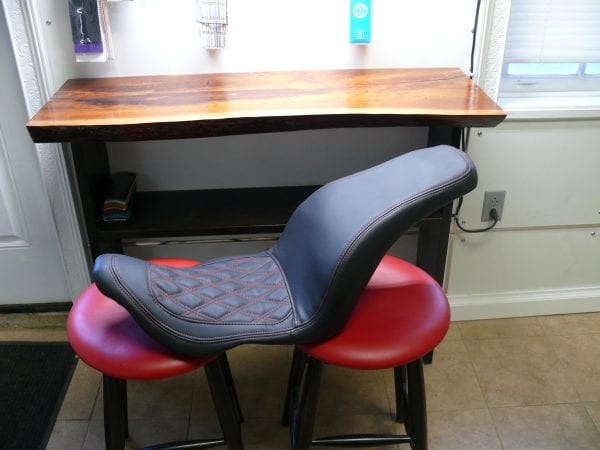
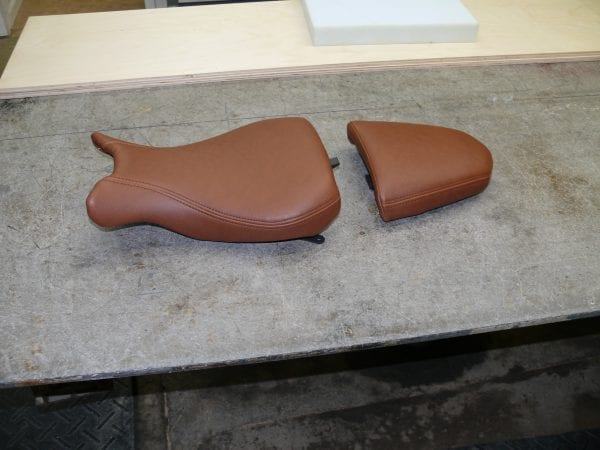
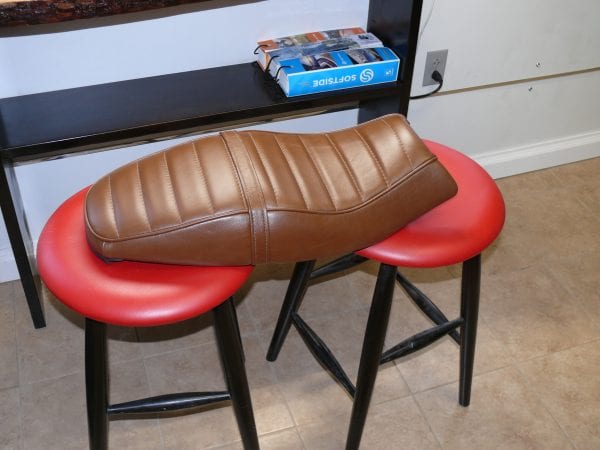
When leather wins, we grade it for the job. Pigmented top grain handles sun and sliding hips far better than delicate aniline hides, and a period correct grain and pleat pattern keeps the cabin looking like 1969 rather than a rented limousine. We shape leather around everything from car buckets to a custom brown leather motorcycle seat, and the material judgment transfers straight across: match the hide to the abuse it will face.
For owners keeping vinyl, maintenance is gloriously simple, and our guide on how to clean vinyl upholstery covers the routine that keeps fresh covers looking fresh. Either material, the seats should outlive the loan on the car parked next to it at the show.
Everything starts with inspection, and each project is quoted individually once we have seen what is really under the covers. Then the buckets come out, the covers come off carefully because they are the pattern, and the frames get stripped, cleaned, and repaired. New foam gets shaped to the original profile, not the sagging one the car arrived with, because a 1969 seat should hold you the way it held its first owner.
Covers get cut panel by panel from the originals, sewn with bonded thread on walking foot machines, and hung with fresh hog rings so the pleats pull straight. Preservation calls happen at every step. Original emblems, trim rings, and hardware are cleaned and reinstalled whenever they can serve another fifty years, because those small parts are the car’s fingerprint. This whole discipline is the core of our auto upholstery service, and it does not bend for rare cars. It tightens.
The buckets share bench time with the furniture side of the shop, and that arrangement is good for both. The same hides, threads, and machines that finished a button tufted leather chair and ottoman handle the automotive work, and the furniture habit of hand fitting every panel shows up in how an AMX cover hugs its foam. A shop that sewed nothing but straight automotive pleats would be worse at both jobs.
Repair beats replacement more often than people expect, and not just in cars. We made the broader case in our post on the benefits of choosing furniture restoration, and an AMX bucket is the automotive proof: nobody is making another one, so the one you have is worth doing right. If you would like to watch this kind of work in progress, you are welcome to tour our shop and see a seat mid surgery.
Sun is the enemy, full stop. A windshield shade, cracked windows on hot days, and a shaded parking spot will do more for your new upholstery than any product in a spray bottle. Heat cycles stiffen vinyl and dry leather, and a dark cabin behind big glass runs hotter than most owners realize.
Clean gently and rarely. Mild soap, barely damp cloth, no silicone dressings that turn seats slick and collect dust. The conservation profession preaches the same patience for any valued object, and the American Institute for Conservation publishes plain language guidance on caring for treasured possessions that maps neatly onto a rare car’s cabin: control light, control moisture, handle gently, and fix small problems before they become large ones.
Show days deserve a little planning too. Grass lots reflect less heat than asphalt, a couple of hours under a canopy with the windows down treats an interior far better than a sealed car glittering in open sun, and hot seats scuff more easily than cool ones, so let them breathe before sliding in.
If the car hibernates through winter, leave it dry and ventilated rather than sealed under plastic. Trapped humidity in a closed garage quietly ruins more interiors than summer road trips ever have.
Not at all, it is our normal Tuesday. As long as your original covers exist in any condition, they hold the seam geometry we need to build exact replacements. Even shredded covers keep their secrets, so save every scrap until we have seen it.
We can, and we will match grain, color, and pleat spacing to the passenger seat as closely as materials allow. The honest caveat is that a fifty year old survivor and a fresh cover will never be perfect twins in sunlight. Many owners do both seats so the pair ages together from day one.
Yes, in the best way. Fresh molded foam raises you back to the original seating position, which often improves sight lines and pedal reach that had quietly degraded as the old foam collapsed. Give it a few weeks of drives to break in before judging the final feel.
If your AMX deserves better than split seams and powdered foam, start with our free online estimates page or call 717-383-6917. Photos of both buckets and the door panels are the fastest way to get a straight answer, and straight answers are the house specialty. More of our finished hides, on wheels and off, live in our leather work gallery.
 Get a Free Quote!