


Project Details; Upholstery roof & seat for BMW Dune Buggy
- Project: Upholstery roof & seat for BMW Dune Buggy
- Category: Auto Upholstery

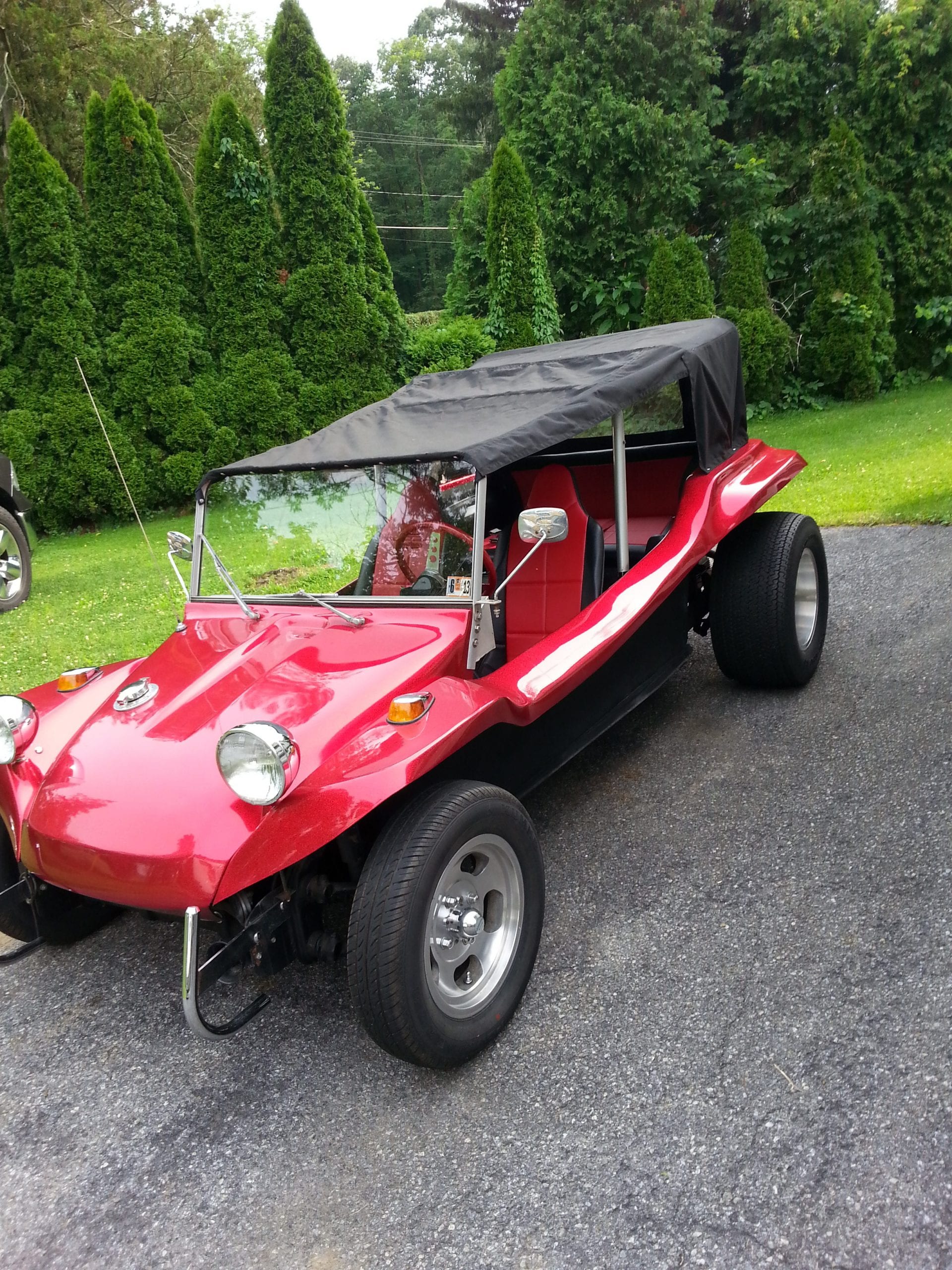

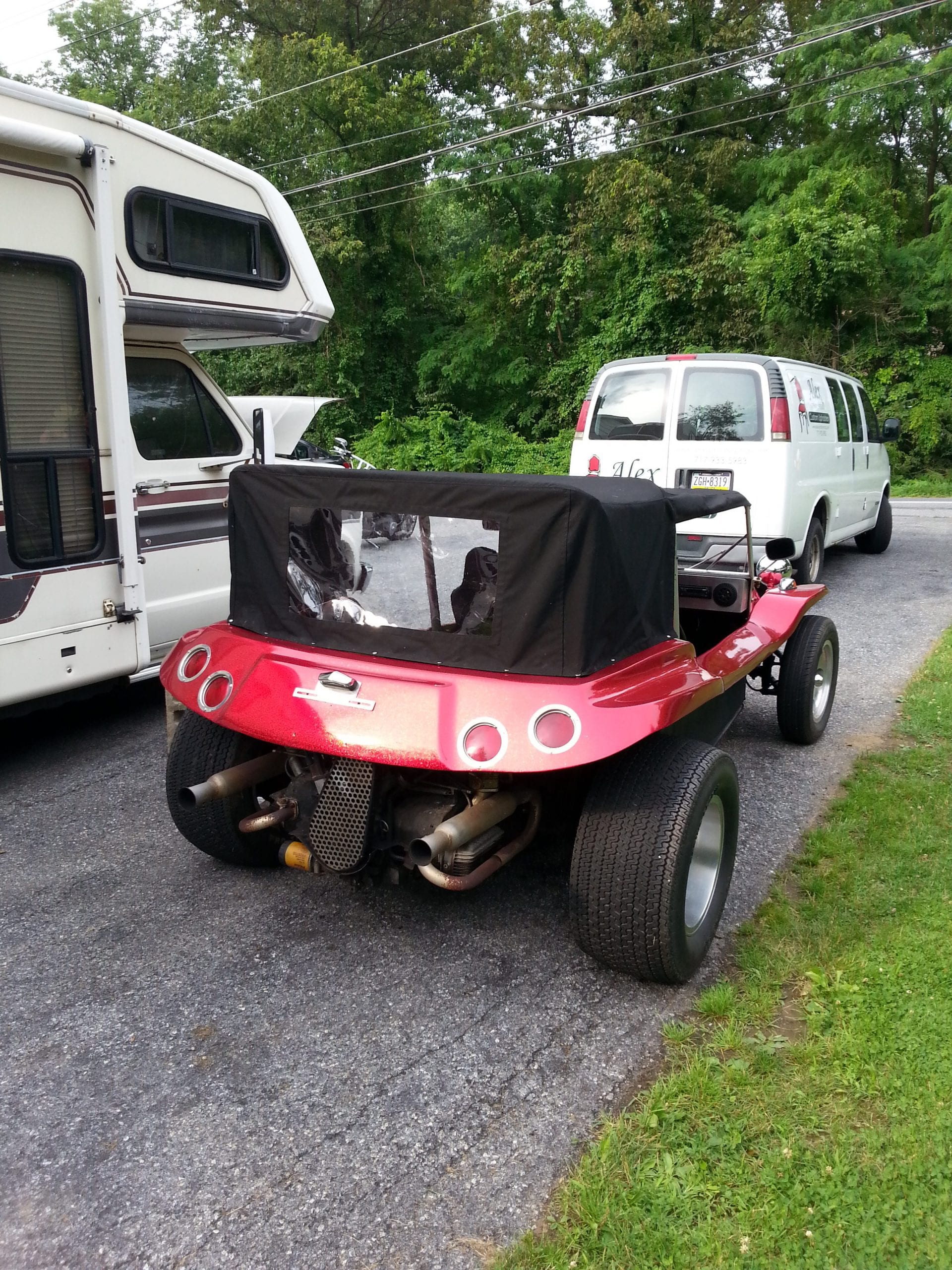
Most days the lot outside our shop holds sedans, pickups, and the occasional classic under a car cover. Then a BMW powered dune buggy shows up and suddenly everyone needs to take their coffee break outside. Buggies are pure fun on a tube frame, and the owners who build them put real engineering into engines and suspension. The seats and the top, though, are usually the last thing standing between a great ride and a soggy, sunburned one.
When a buggy comes to us for seats and a roof, the assignment is different from anything with a sealed cabin. Every material choice has to assume rain, sun, mud, and the occasional creek crossing, because sooner or later the vehicle will meet all four. That constraint is what makes these projects so interesting to build.
A normal car interior lives a sheltered life. Glass blocks most of the ultraviolet light, the doors keep out rain, and the carpet only sees whatever the floor mats miss. A buggy has none of those luxuries. Its upholstery is outdoor gear that happens to be bolted to a vehicle, closer in spirit to boat seating than to anything in a family car.
That changes the whole construction stack. Seat foam has to shed water instead of soaking it up, which means closed cell foam or reticulated open cell foam that drains and dries fast. Seams need to be sewn with UV stable thread, because ordinary polyester chalks and breaks after a few seasons of direct sun. Fasteners have to be stainless or coated, since plain steel snaps and staples bleed rust stains through light colored covers. Even the stitch spacing matters, because every needle hole in an exposed seam is a potential drip line into the cushion below.
The wear pattern on an open vehicle is predictable once you have seen a few. Ultraviolet light does the most damage, fading color first, then drying the material until it splits along the tops of the bolsters where the sun hits longest. Water gets in next, and once foam stays wet inside a cover, mildew follows along with that unmistakable smell that never quite leaves. Sand and grit work like slow sandpaper in every crease, and vibration frays panels anywhere they touch bare frame tube.
Tops fail in their own way. The stitching lets go along the front bow, windows yellow and crack, and the fabric shrinks until the fasteners will not reach. By the time most owners call us, the top is more duct tape than canvas, and the seats have been wearing a garbage bag poncho between rides. There is no shame in that. It just means the buggy is being used the way it was meant to be.
Foam shaping matters more in an off road seat than people expect. A buggy driver gets bounced, leaned, and occasionally launched, so the padding has to hold the body in place, not just cushion it. We contour firmer foam into the side bolsters and thigh support while keeping the center compliant, so the seat grips through whoops without beating you up on the road sections. Passenger seats get the same treatment, because passengers have less to hold onto and notice a sliding seat before the driver does.
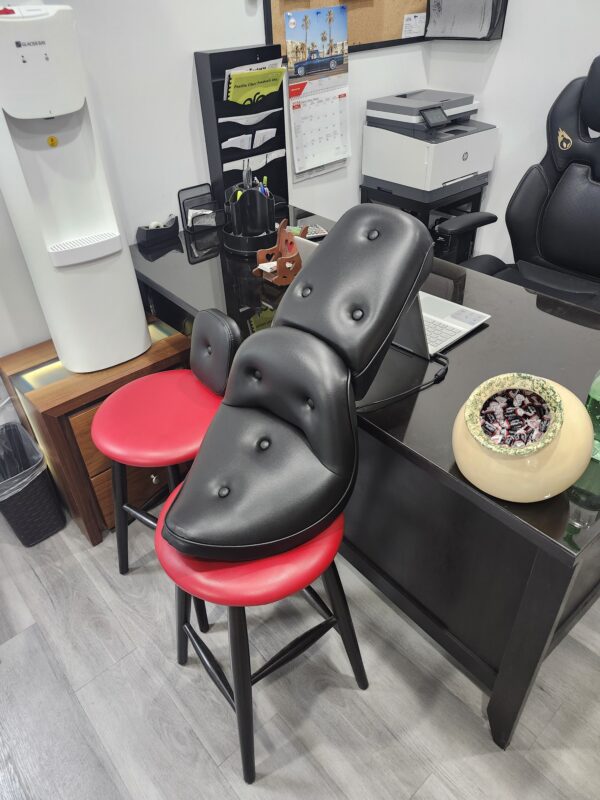
Custom features come standard in this kind of work. Harness passthroughs get bound and reinforced so shoulder belts do not saw through the cover, grab handles get double stitched anchors, and owners often ask for map pockets or tool flaps sewn right into the seat backs. These are the details that separate a purpose built interior from a recovered stock seat, and they cost little to add while everything is apart.
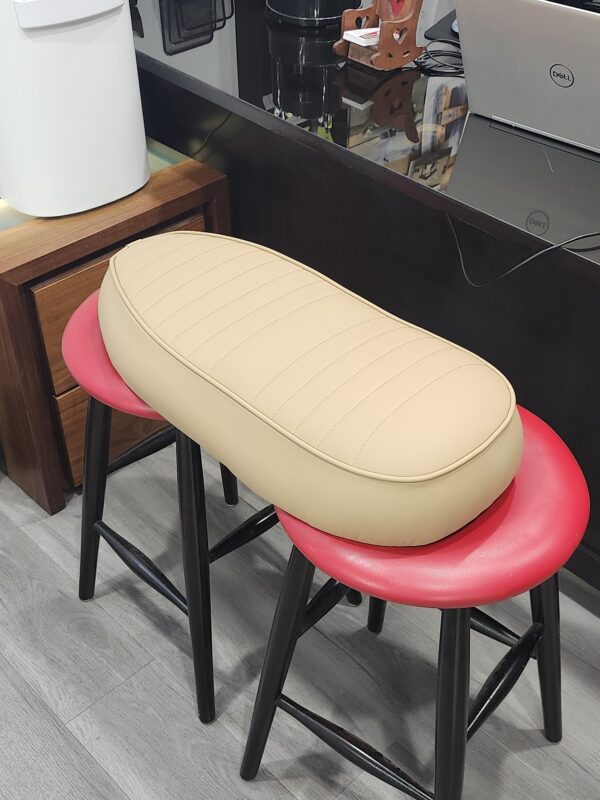
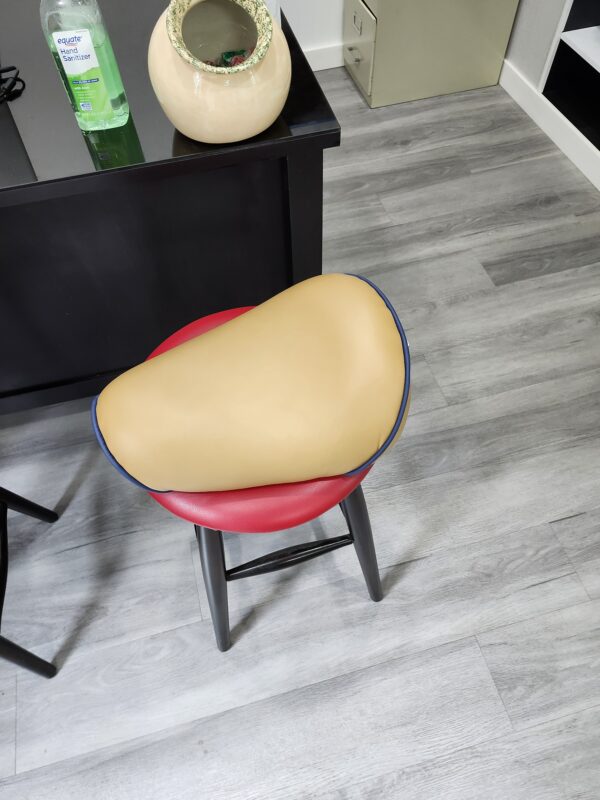
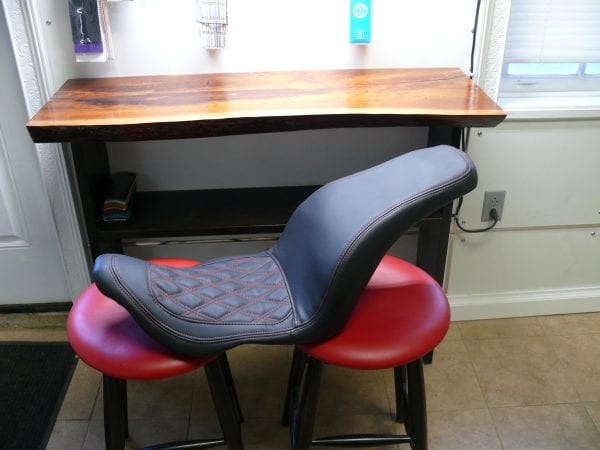
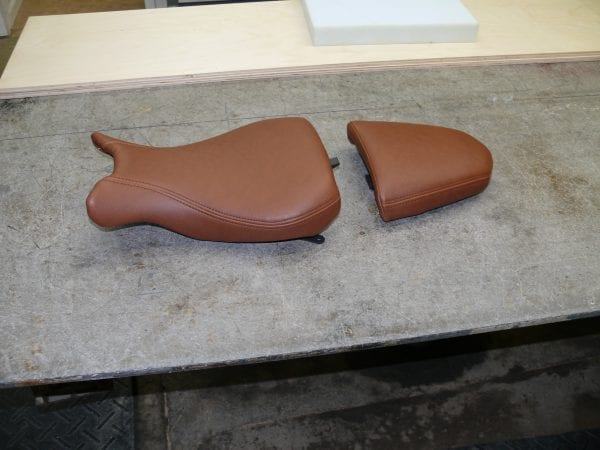
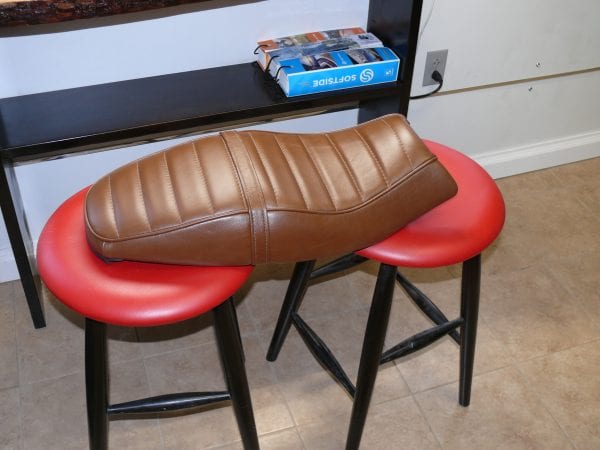
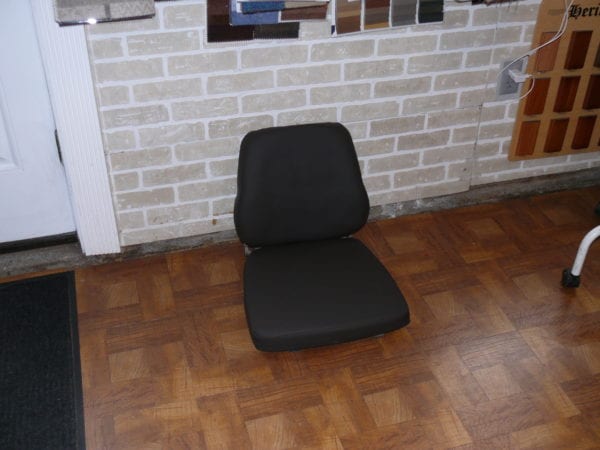
Seats come first. We strip them to the frames or shells, treat any rust, and rebuild the padding with foams that tolerate soaking. Covers are patterned to fit tight, sewn with bonded UV resistant thread, and fitted with drains or breathable zones in the right spots so trapped water has somewhere to go. Side bolsters get reinforced where the driver slides in and out, the same high wear thinking we apply to the driver’s seat in any road car through our auto upholstery service.
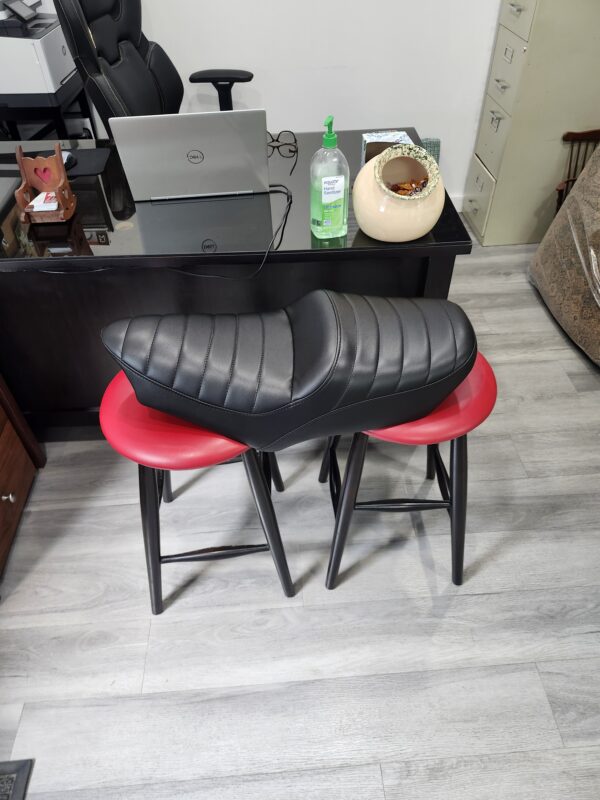
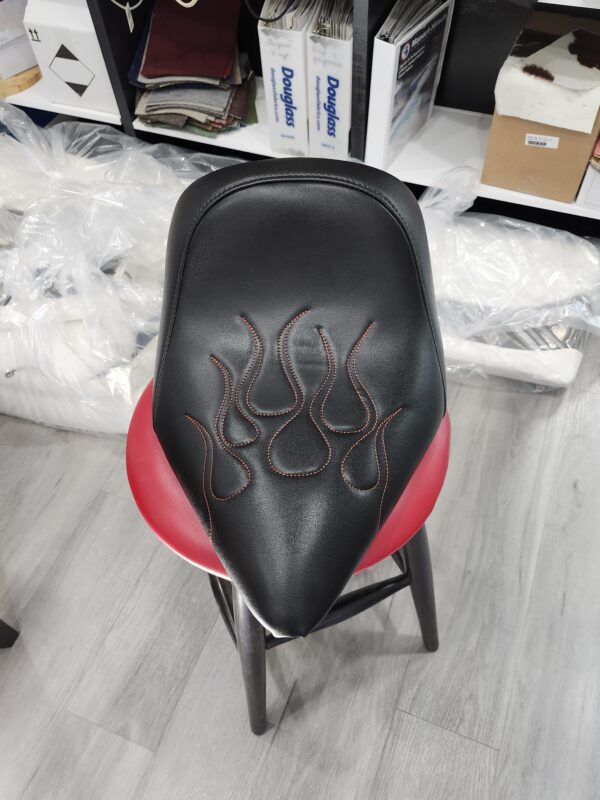
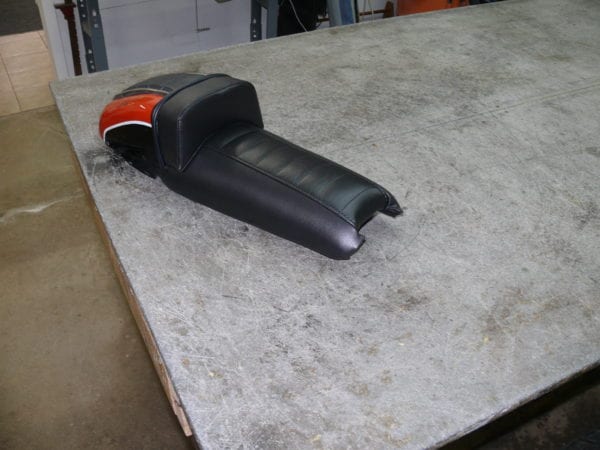
The top is patterned right on the vehicle, because no two buggy frames are quite alike. We fit the material over the bows, mark every fastener, and build in tension so the finished top drums tight instead of flapping. The shaping work has a lot in common with the compound curves on the black leather motorcycle seat we shaped, where the cover has to follow the form exactly or it wrinkles the first week. If you are curious where all this cutting and sewing happens, you can tour our shop and see the tables, machines, and half finished projects for yourself.
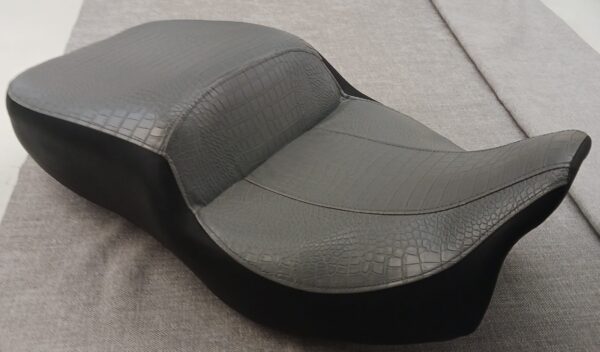
Owners often ask for leather because they love how it looks, and we love it too, but we are honest about where it belongs. Full leather on an open vehicle demands real commitment to covers and conditioning, since hides that cycle between soaked and sunbaked will stiffen no matter how well they were tanned. Marine grade vinyl is the workhorse choice, made to shrug off UV and standing water, and modern versions carry convincing grain. Plenty of buggies get a hybrid layout, durable vinyl on the weather facing surfaces with leather accents where hands actually touch. Keeping it clean is simple if you follow our vinyl cleaning walkthrough, which takes minutes after a muddy weekend.
Color choices matter more outdoors as well. Dark covers get painfully hot in summer sun and fade more visibly, while mid tone colors hide dust and forgive a season of hard use. These are the same conversations we have across our leather work gallery projects, just tuned for a vehicle that lives outside. Craft standards do not drop because the vehicle is playful. The same seam quality we put into a ninety two inch mid century leather sofa we rebuilt goes into a buggy bench, because stitches do not know what they are holding together.
The best aftercare for any open vehicle is a cover and a roof, in that order. A simple breathable cover during storage doubles the life of seats and top, and parking under a carport beats a driveway every time. Rinse mud off before it dries, let cushions drain and air out after a wet run, and treat vinyl with a UV protectant a few times a season. Skip the shiny silicone dressings, which attract dust and can make surfaces slick where you least want slick.
The principle behind all of this is simple: caring for the piece consistently beats replacing it repeatedly. Conservators say the same thing about furniture, and the American Institute for Conservation offers care guidance for treasured objects that applies surprisingly well to a vehicle you plan to keep for decades. We made a similar argument about household pieces in our post on why restoration beats replacement, and it goes double for a hand built machine nobody sells at a dealership.
Winter storage is where a lot of good upholstery goes to die, so plan it. Mice adore seat foam, and a buggy parked in a barn from November to April is a rodent condominium unless you block the openings and skip the fabric softener sheet folklore in favor of sealed storage or traps. Store the top loosely rolled rather than creased, with the windows flat, because vinyl windows remember every fold. Come spring, everything unrolls clear and taut instead of cracked along a crease line.
For pure durability, marine grade vinyl wins, since it was engineered for sun and water. Leather is doable if the vehicle is garaged, covered, and conditioned regularly, and it rewards that effort with a feel vinyl cannot match. Many owners land on vinyl for the weather surfaces and leather where hands rest.
Yes, that is common on custom rigs. We pattern directly on the frame with the bows in position, build a test fit, and adjust before cutting the final material. The result fits better than anything mail order because it was shaped on your exact vehicle.
Tip or remove the cushions so water drains, stand them on edge somewhere airy, and let everything dry fully before storage. Wipe the covers down and check that drain points are not plugged with sand. An afternoon of airing out prevents the mildew that ruins foam from the inside.
If your buggy, kit car, or off road build needs seats and weather gear that match the effort you put into the drivetrain, send us photos through our free online estimates page or call 717-383-6917. We will talk materials, look at your frame, and build you an interior ready for whatever trail you point it at.
 Get a Free Quote!