


Project Details
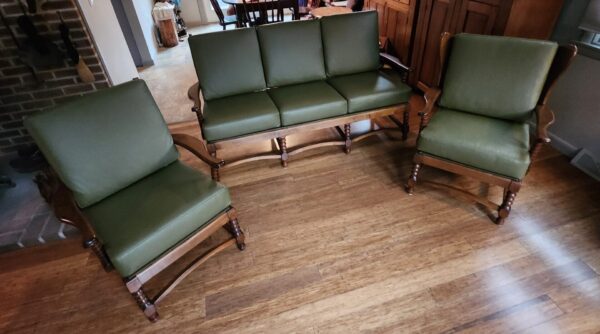
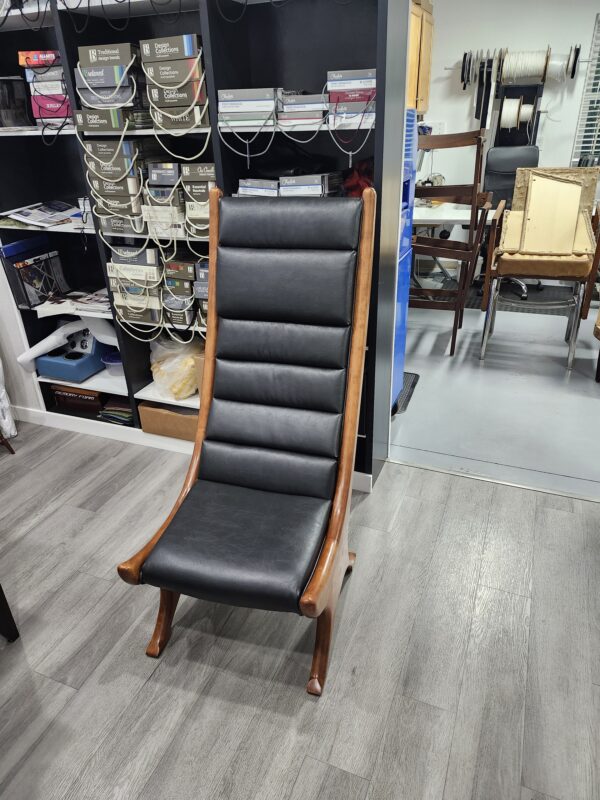
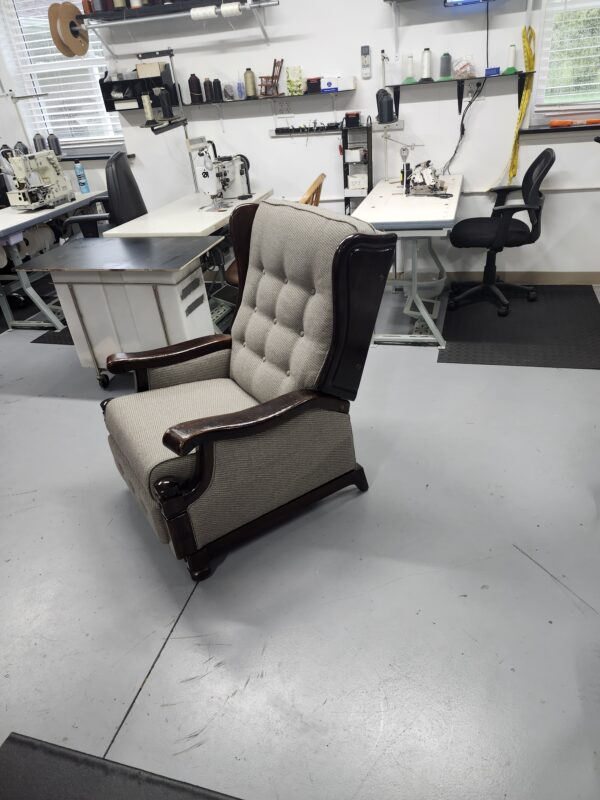
Mid Century 92” leather sofa
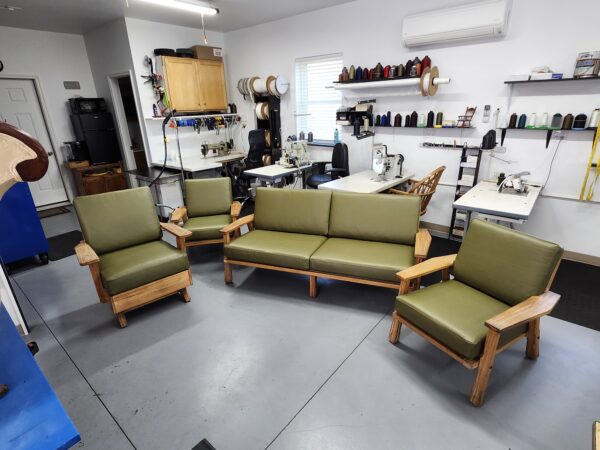
- Project: Completely reupholstery .disine upon customer request. We use high-quality leather.
- Category: Reupholstery



Mid Century 92” leather sofa
Ninety two inches of low slung leather sofa makes a statement before anyone sits down. Mid century pieces like this were designed to stretch out along a wall like a horizon line, all clean geometry and tapered legs, and when one lands in our shop we treat it as the design object it is. These sofas were built during a golden stretch of American and Scandinavian furniture making, and the good ones have bones that put modern showroom pieces to shame.
Owners usually come to us in one of two situations. Either they inherited the sofa and want it brought back without losing its character, or they hunted one down secondhand and discovered that sixty years of living had gone hard on the leather. Both owners want the same thing in the end: the original silhouette, sitting the way the designer intended, wearing a hide that will last another lifetime.
Mid century designers stripped away the tufting, fringe, and carved flourishes of earlier eras and let proportion do the talking. Frames were solid walnut, teak, or birch, often with exposed wood rails and legs that were part of the show. Cushions sat firm and low, arms went slim, and every seam was placed deliberately, because with nothing ornamental to hide behind, a crooked seam on a piece like this shouts across the room.
Construction was in transition during those years, which is useful to know when identifying what you own. Earlier and higher end frames carried coil springs, while many mid century pieces moved to sinuous wire springs or rubber webbing to achieve those thin, clean profiles. Foam and latex began replacing horsehair as cushion cores. That mix of old world joinery and new materials is exactly why these sofas need a shop that understands both worlds, and it is why identification comes before any work begins.
The weak point in most mid century pieces is not the frame, which is usually honest hardwood, but the modern materials that were brand new at the time. Early foam crumbles into yellow powder. Original latex cushions turn sticky or dry into crumbs. Rubber webbing loses its stretch and the seat drops an inch when it goes. None of that is visible from the outside until the day the cushion suddenly feels like a bag of cereal crumbs.
The leather tells its own story. Sixty year old hides were often finished more lightly than modern furniture leather, so they develop lovely patina but also dry out faster without care. Look for cracking on the seat cushions first, since that is where flexing concentrates, then fading along the top rail if the sofa lived near a window. Loose joints show up as a rock or click when you sit at one end. All of it is fixable, and our overview of the different kinds of furniture restoration work lays out how deep each level of intervention goes.
A rebuild starts with photographs and measurements of every seam line, because the restrained look of these sofas depends on getting proportions exactly right when we put it back together. Teardown follows, with the old cover saved as a pattern. The frame gets its joints checked and reglued, exposed wood gets cleaned and refreshed by hand, and the suspension is rebuilt to match the original system rather than whatever is fastest.
Scale is the quiet challenge on a ninety two inch piece. Long panels mean long seams, long seams magnify every wobble, and a sofa this size takes noticeably more hide than a standard three seater, so panel layout has to be planned across multiple hides while keeping grain and tone consistent from arm to arm. We chalk out the entire cutting plan before a blade touches leather, the same way a tailor plans a suit from a single bolt. It is slower up front and much faster than regret.
Cushion cores are where judgment matters most. We replace failed foam with modern high resilience foam cut to the original profile, sometimes wrapped to reproduce the feel of latex without its short lifespan. The goal is a firm, supportive sit with that slight softness at the surface, which is what these sofas felt like new. Then the new hides are cut and sewn through our furniture upholstery service, with seam placement copied from the original down to the corner details. On a piece this long, keeping seams dead straight over ninety two inches is the whole ballgame, and it is the part of the job we are pickiest about.
Leather grade decides how this sofa will look in ten years, so it deserves a real conversation. Full aniline leather is dyed through with no surface coating, shows every natural mark, and develops the richest patina, which suits a design piece in a gentle household. Semi aniline adds a thin protective finish, trading a little character for real resistance to spills, and it is our usual recommendation for family rooms. Pigmented leather wears a full paint like topcoat, tough and uniform, though on a mid century silhouette it can read a bit plastic. Bonded leather is not leather in any meaningful sense, and we will talk you out of it every time.
Grain matters as much as grade. Top grain hides with natural grain suit the era far better than heavily embossed patterns, and color should stay in the period family: cognac, chestnut, oxblood, black, or a deep olive if you are feeling brave. Synthetics have their place in some projects, and our piece on faux leather as an upholstery material is worth a read, though for a sofa of this pedigree we almost always steer toward the real hide. Browse the options on our fabrics and leather page, then come handle samples, because leather is chosen by hand and eye together.
Once the sofa is home, placement is your biggest care decision. Keep it out of direct sun, which fades aniline finishes noticeably within a couple of years, and away from heating vents that dry the hide. Condition the leather a few times annually, dust it with a soft cloth, and blot spills rather than scrubbing them. Museums think about light, humidity, and handling before anything else, and the Smithsonian Museum Conservation Institute approaches its own collections with exactly that priority order, which is a good model for anyone keeping fine furniture at home.
The exposed wood deserves its own routine, since on these sofas the frame is part of the design. Dust the rails and legs when you dust the shelves, keep water rings off with coasters and common sense, and feed oiled finishes like teak with the appropriate oil once or twice a year. If the finish has gone dull or blotchy, resist the urge to sand anything yourself. Original finishes are worth preserving, and a light professional touch usually revives them without erasing sixty years of honest surface.
Rotate the seat cushions monthly if they are loose, since even wear keeps the long clean lines looking right. And sit on the whole sofa, not just your favorite end. These pieces were engineered for use, and even wear is the kindest thing you can give a hide. Leather craft carries across everything we do, from living rooms to garages, and the 1972 Chevy bench seat we covered in leather proves the same hides that dress a den can survive a daily driver.
Check the frame wood and joinery first: solid walnut or teak, dowel joints, and tapered or splayed legs are good signs. Labels or stamps under the deck help, and so do original sinuous springs or rubber webbing. Bring us photos of the underside and we can usually read the construction like a date stamp.
If the hide is intact and just dry, cleaning and conditioning can revive it and preserve the patina collectors love. Once cracks go through the leather or panels have torn, replacement in a period correct hide is the durable answer. We inspect first and quote every piece individually, so you will know which side of the line your sofa sits on.
For most mid century sofas, sensitive reupholstery in correct materials maintains or improves value, because these were made to be used and eventually recovered. Museum grade rarities are the exception, which is why we flag them during assessment instead of just charging ahead.
If a long, low classic is waiting in your living room for its second act, we would love to meet it. See what finished hides look like in our leather work gallery, then request a quote or call 717-383-6917. Pieces like the leather chair and ottoman set we restored started with that same phone call.
 Get a Free Quote!