


Project Details
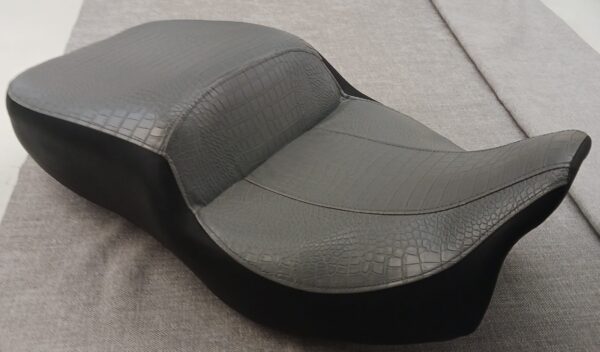
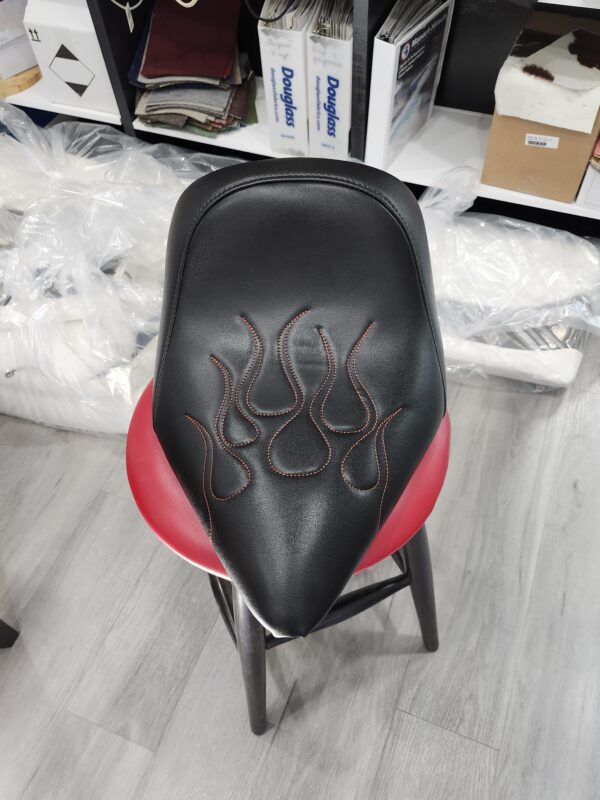
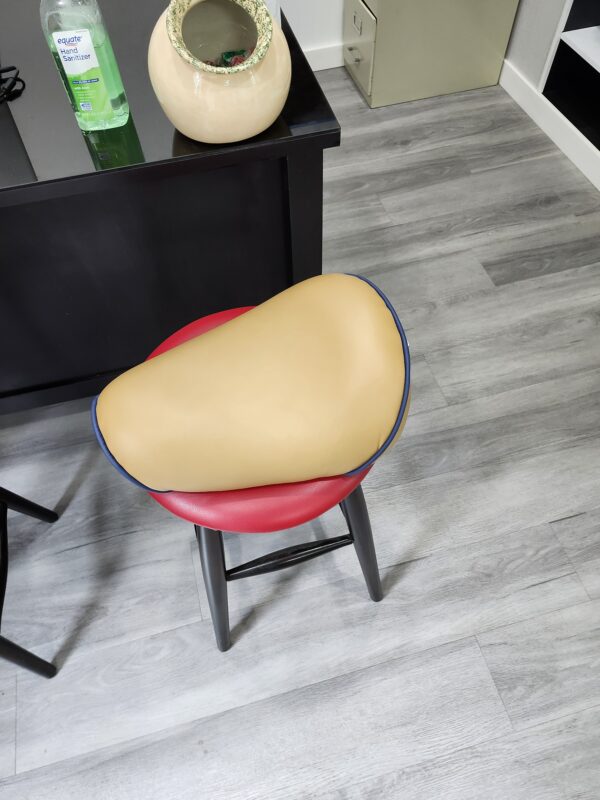
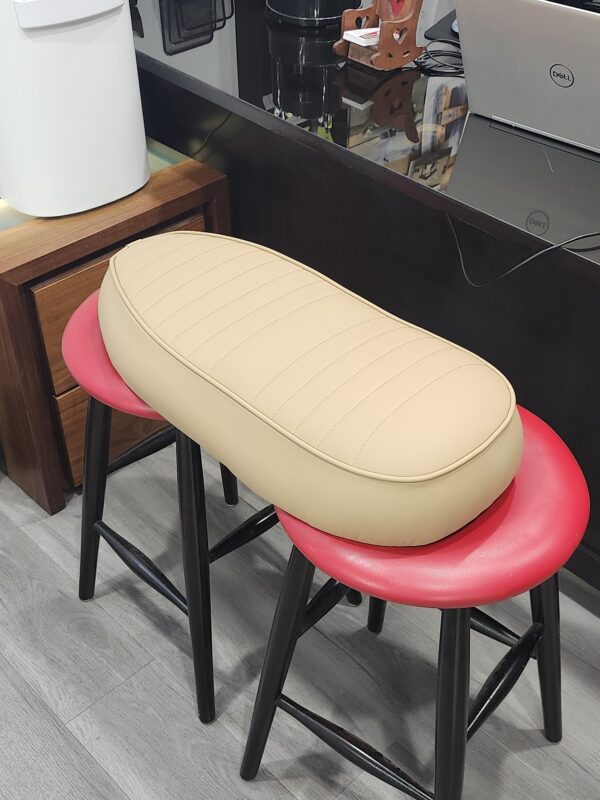
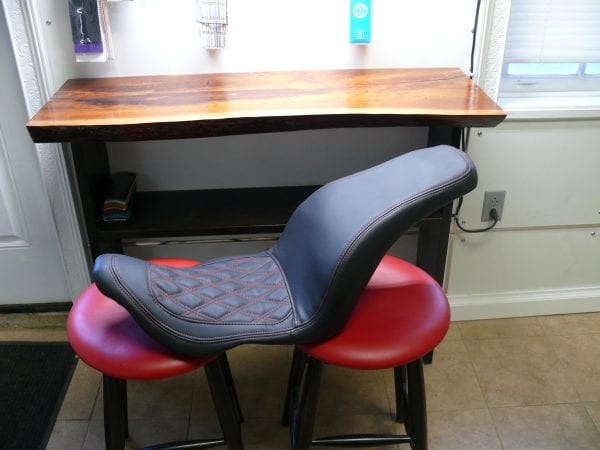
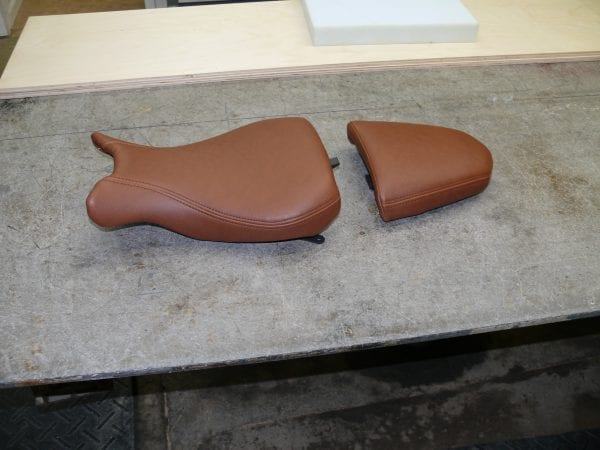
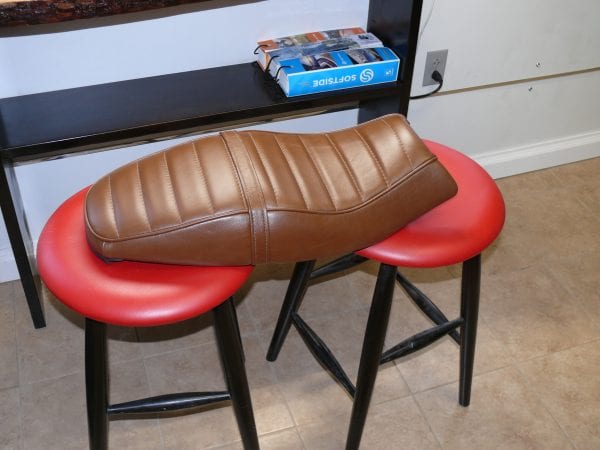
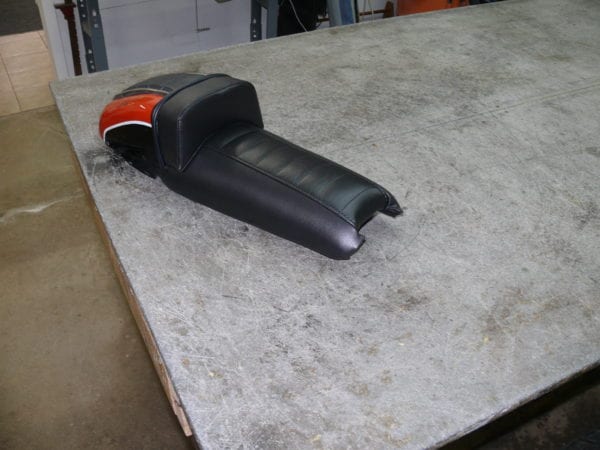
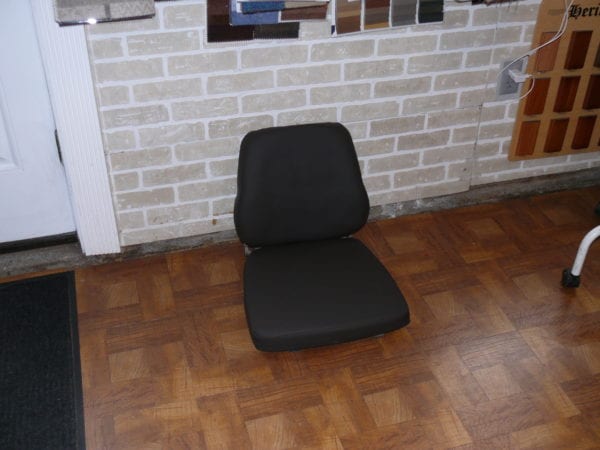
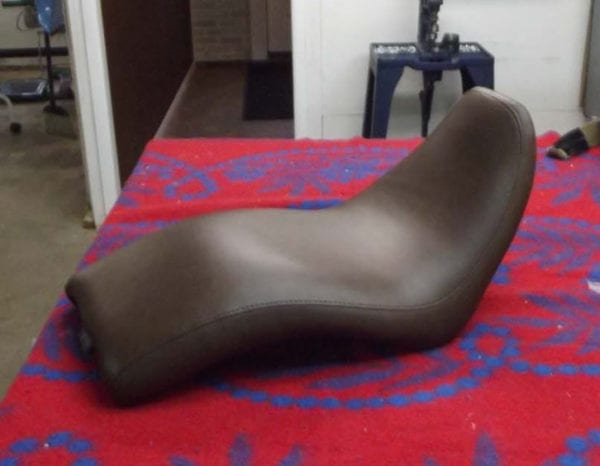
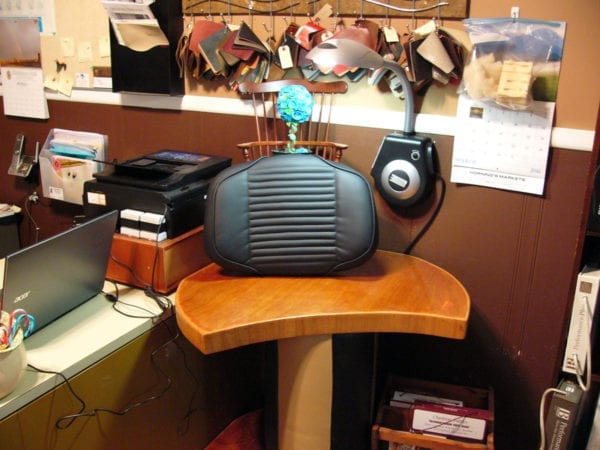
made new seats for 1966 Volvo amazon
- Project: Antique & Classic Car
- Category: Car Upholstery
Our Task
we made the new leather seat for 1966 Volvo amazon

Ask a Volvo Amazon owner why they still have the car and you will get a shrug that means everything. The Amazon was never exotic. It was the sensible Swedish sedan that simply refused to die, and sixty years later the survivors are cherished precisely because they were driven, parked outside, loaded with kids, and driven some more. A 1966 Amazon is rolling proof that honest engineering ages into charm.
The seats tell that story better than any other part of the car. Volvo took seating seriously long before the rest of the industry did, and Amazon seats were shaped for real backs on real commutes. Which is why it hurts to see one with split seams, crumbled padding, and a blanket thrown over the driver’s side. When a seat like this comes into the shop, our job is to give it back its dignity without sanding off its character. Here is what that involves.
Sixties Volvo seats were built the way the rest of the car was built: plainly and well. A sturdy steel frame carries a suspension of springs, with padding layered over the top and a cover tailored around it. The factory covers on most Amazons were tough vinyl, some cars got cloth inserts, and upscale trims and later owners brought leather into the picture. The pattern work is simple and handsome: clean pleats on the inserts, smooth bolsters, piping tracing the edges. Nothing decorative for decoration’s sake.
That simplicity is deceptive, because simple patterns hide nothing. On a busy modern seat, a wandering seam can disappear into the styling. On an Amazon seat, every line is visible from across a parking lot, so the pleats must run dead straight and the piping must sit even all the way around. Reupholstering one is less about complexity and more about discipline, which is exactly the kind of work our auto upholstery service was built around.
Time attacks a sixties car seat from three directions at once. First, the padding. Period foams and rubberized hair were not formulated for a sixty year service life, and they oxidize into powder that sifts out of the seat every time you close the door. The seat loses its shape, then its comfort, then its support, in that order. Second, the cover. Vinyl gets brittle with sun and cold cycles, and it splits along the driver’s entry bolster first, because that corner takes a sliding load every single time someone gets in. Leather dries and cracks along the same lines if it goes unfed.
Third, the structure underneath. Springs fatigue and sag toward the floor pan, frames rust where damp carpet held moisture against them, and cars that sat in barns often add mouse damage to the list. A seat can suffer all three problems and still look passable under a seat cover, which is why we always strip a classic seat completely before promising anything. Every job is quoted individually after we have seen what six decades actually left behind.
You can run a rough diagnosis at home in five minutes. Kneel by the open door and press the seat base with both hands: crunching means dying padding, while a soft collapse with no rebound points at tired springs. Look under the seat with a flashlight for powder on the carpet, the telltale snow of oxidized foam. Then run a palm along the driver’s entry bolster seam. If the thread feels furry or the material edges have lifted, the cover is telling you it is close. None of this commits you to anything, but it makes the first conversation with an upholsterer far more useful.
The old covers come off carefully, because they are the pattern library for the new ones. We photograph every seam, note where the factory placed its pleats and how wide it cut its piping, and unpick the covers so each panel can be traced. The frame gets cleaned up and the springs are repaired or replaced so the foundation is right before anything soft goes on. There is no point sewing a beautiful cover over a collapsed spring set; the cover would only advertise the sag.
New padding is shaped to the original profile, firm where Volvo made it firm, relieved where the factory relieved it. Then the new covers are sewn on heavy walking foot machines, pleats first, piping made in house, and fitted over the padding with the tension the pattern demands. Getting a vintage cover to sit right is a warm hands job; material relaxes and tightens with temperature, and rushing the fit leaves wrinkles that never come out. It is the same fitting patience we brought to the red leather seats we built for a 1973 Jensen Healey, another car where the seats are half the cockpit.
The skills cross the shop floor in both directions, by the way. The hides that dress a car on Monday dress furniture on Tuesday, like the dining room chair we recovered in new leather, and the household side of the trade is laid out in our overview of the different types of furniture restoration services. Leather does not care whether it lives in a car or a dining room. It only cares whether it was cut and sewn with respect.
Originality is the first question. If your Amazon is a numbers matching survivor headed for shows, we can reproduce the factory look closely, correct grain vinyl, correct pleat count, correct piping. If it is a driver, and most Amazons happily are, you have room to choose. Modern automotive leather brings durability and a richness the original trim never had, and perforated inserts help it breathe in summer. Today’s automotive vinyls are also far better than what 1966 could buy, with ultraviolet stabilizers and grain textures that pass for leather at arm’s length. Our article on faux leather as an upholstery material is an honest look at when the imitation genuinely earns its place.
Whatever the material, sourcing matters. We select automotive hides that are tanned and finished for the job, meaning heat tolerance, flex resistance, and colorfastness, and when customers ask how to judge leather quality beyond the sales pitch, we point them to the Leather Working Group, which audits tanneries worldwide for environmental practice and traceability. You can compare the options in person through our fabrics and leather upholstery page, then in the shop with full hides and vinyl rolls laid over your actual seat frames, in daylight, next to your paint.
An Amazon earns its keep on the road, so the aftercare advice has to survive contact with real use. Sun is enemy number one: a windshield sunshade and a shaded parking spot will do more for your new upholstery than any product in a bottle. If the seats are leather, condition them two or three times a year and wipe them down with a barely damp cloth in between; skip silicone shine products, which attract dust and dry the hide over time. Vinyl asks even less, just regular gentle cleaning. Watch the entry bolster, since that is where wear begins, and teach passengers the old trick of sitting down first and swinging the legs in after. Garage humidity matters too; a car stored damp grows mildew in its stitching long before anything else shows. And one caution about slip on seat covers: they hide problems, but they also trap grit and moisture against the upholstery underneath, and many an Amazon seat has aged faster under a cover than it would have in open air.
Done right, a rebuilt interior will outlast the repaint. We have put fresh seats in vehicles of every era, and you can browse the automotive side alongside everything else in our leather work gallery to see how these projects come out.
If it is intact, keep it and enjoy it, because original trim in good condition is worth preserving. If it is split, hard, or held together with tape, it has finished its service. We will match the original grain and pattern closely enough that the car keeps its factory character, and we can save a sample of the old material for your records.
Yes. The original covers give us the exact pleat spacing, seam placement, and piping size, and period photos and trim references fill any gaps. Color is matched from the best preserved section of the old material, usually a hidden edge that never saw sun. The goal is a seat Volvo would recognize.
Seats alone are fine and very common; they come out of an Amazon with basic hand tools. If the job includes door panels or the headliner, the car itself visits the shop. Either way, tell us what the project includes when you get in touch and we will walk you through the logistics.
If your Amazon’s seats are held together by a blanket and good intentions, request a quote with a few photos of the seats, front and back, or call us at 717-383-6917. We will tell you what the padding, springs, and covers actually need, and give the old Swede seats worth another sixty years.