


Project Details
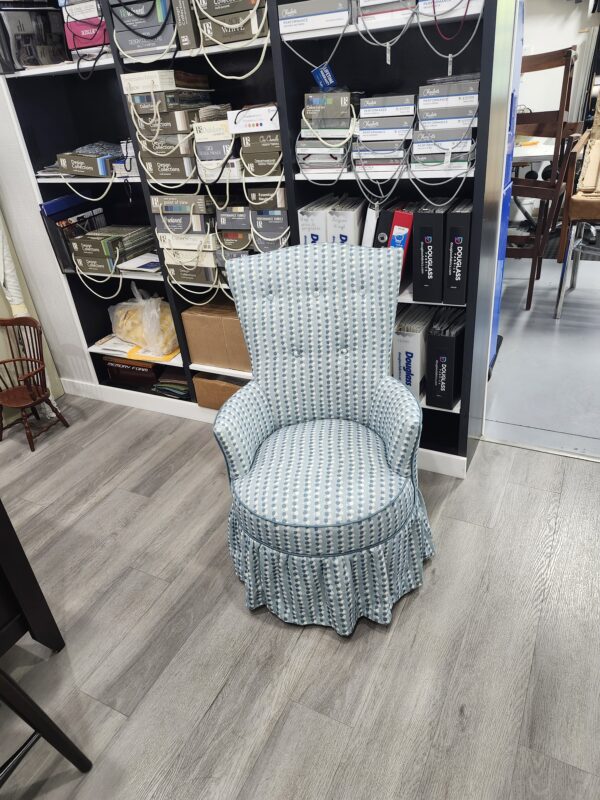
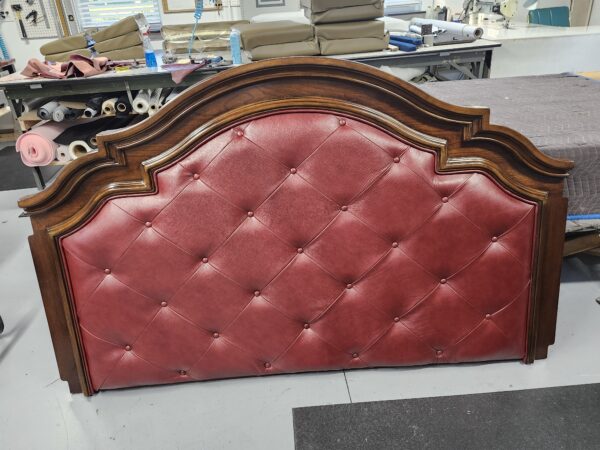
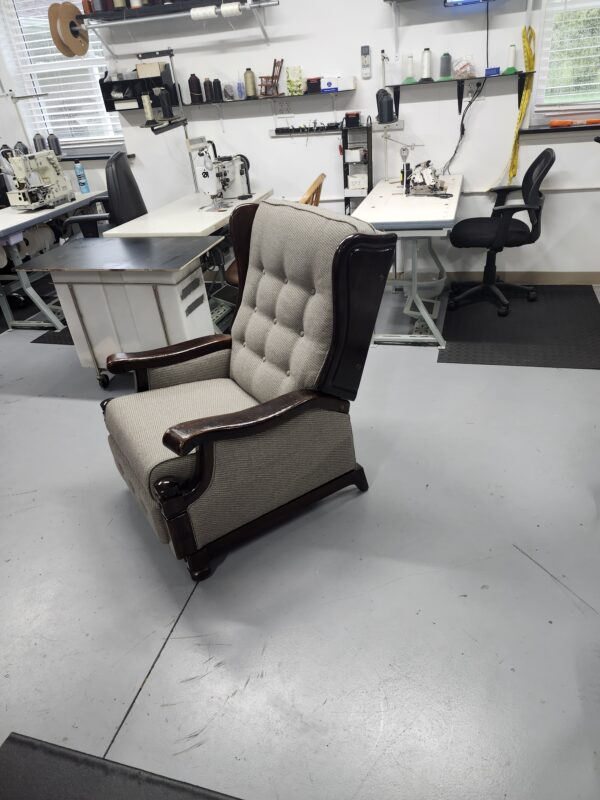
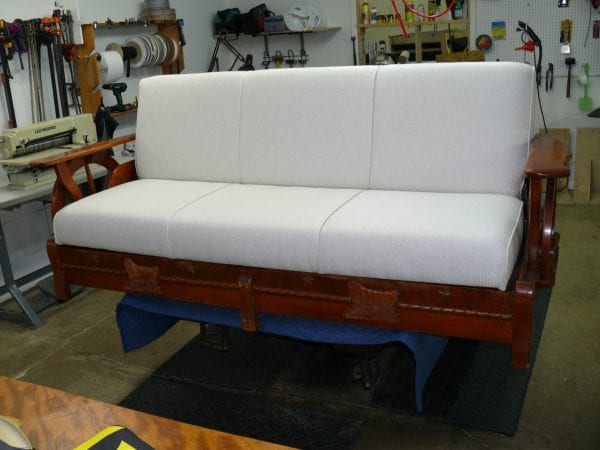
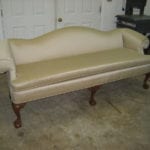
The client wanted to have this arm bench restored.
- Project: Reupholstery and Repair
- Category: Furniture Upholstery
Our Task
We transformed the arm bench into a classic beauty by performing complete re-upholstery on the item.



The client wanted to have this arm bench restored.
We transformed the arm bench into a classic beauty by performing complete re-upholstery on the item.
A bench with arms holds a funny place in the furniture family. It is bigger than a chair, humbler than a sofa, and it works harder than either one. It stands at the foot of a bed catching tomorrow’s clothes, waits in an entry hall taking on boots and grocery bags, or sits under a window holding whoever wanders past. Nobody babies a bench.
Which is why the ones that survive long enough to grow old deserve some respect, and eventually some help. When an arm bench restoration lands on our schedule, the fabric is usually shot, the frame is usually worth saving, and the truly interesting part, the part this article mostly concerns, is what is packed inside. Old benches are time capsules of traditional stuffing materials, and reading them correctly is half the craft behind our antique restoration service.
Arm benches come from several directions at once. There are window benches with two raised ends and no back, French banquettes with low scrolled arms, hall benches with upholstered tops over sturdy stretchers, and duet benches wide enough for two at a piano. What unites them is a long upholstered platform with arms, and a frame that has to resist flexing across its whole span.
That span is the engineering problem. A chair seat crosses maybe twenty inches; a bench rail can run four feet. Good makers answered with thicker rails, a center leg, or stretchers tying everything together low to the ground. When you evaluate an old bench, look there first, because a frame that sags in the middle was underbuilt on the day it was made, and no amount of new fabric fixes that.
Benches also split into two camps by what supports the sitter. Sprung benches carry a row of coil springs on webbing, just like a chair seat stretched long, and they ride soft and deep. Pad top benches skip the springs entirely and build comfort from stuffing alone over webbing or a solid deck, which gives a firmer, more formal sit. Neither is better; they are different instruments, and we rebuild each the way it was born.
Knowing which type you own matters because they fail differently. A sprung bench sags and clanks. A pad top thins out quietly and goes hard. Both symptoms have the same cure, a rebuild of the layers, but the springs add a whole extra chapter of hand tying to the work.
Open up an old bench and you read a menu of traditional stuffing materials. The aristocrat is curled horsehair: springy, resilient, and almost immortal when kept dry. It was cleaned, curled, and laid in by hand, and a bench stuffed with good hair can be a century old and still have bounce left in it.
Below the aristocrat sit the working classes. Tow, a coarse flax fiber, packed edges and corners. Excelsior, fine wood shavings, filled economy work and platform layers. Spanish moss shows up in Southern pieces. Cotton batting arrived as the soft top layer over everything, and by the middle of the twentieth century foam began replacing the lot. Most old benches hold two or three of these materials at once, stacked in layers like geology.
Holding it all together is the quiet architecture: burlap stretched over the webbing or springs, stitched edge rolls that give the bench its crisp front line, and twine ties running through everything so the stuffing stays where the maker put it. Groups like the Furniture History Society have documented how these techniques spread and evolved across workshops and countries, and it is humbling how little the good methods have changed.
Stuffing rarely announces its retirement. It compacts slowly, year by year, until one day the bench feels thin and you realize you are aware of the front rail under your legs. Fibers break down into dust that sifts through the burlap. Moths find wool and hair. Mice find everything, and a bench stored in a barn or an attic sometimes reaches us as a well appointed rodent hotel.
Here is what failing stuffing looks like from the outside:
That crunch deserves a note, since it worries people. It is usually excelsior, the wood shaving fill, fracturing under weight. The bench is not about to collapse. It is just telling you its padding has reached the end of a very long shift.
Every project starts with an honest inspection: frame joints, sag across the span, and what the stuffing layers are made of and how far gone they are. Because no two benches arrive in the same condition, every piece is quoted individually after we look it over.
Teardown is done slowly and photographed as we go, because the old layers show us the original method. This is the same discipline behind how heritage furniture is restored while maintaining its quality: the piece teaches, we follow. Tack by tack, layer by layer, down to bare wood.
Frame work follows. Loose joints get opened, cleaned of dead glue, and reglued with hide glue, the reversible traditional adhesive that lets a future restorer take the joint apart again someday. If the long rails have sagged we address the structure honestly, adding support the original maker would recognize rather than steel brackets he would not.
Then the rebuild climbs: new jute webbing, springs retied if the bench carries them, fresh burlap, and the big stuffing decision. Sound horsehair gets kept, washed, and carded back to loft, because original hair is better material than almost anything made today. Crumbled excelsior and dusty cotton leave without ceremony. New edge rolls are stitched where the old ones flattened, and the whole surface is graded level by hand before muslin locks it in place.
If the bench takes a loose cushion on top, we build that too: boxed, welted, and filled to suit the bench’s period and your comfort. That side of the work runs through our cushion services, and it is where day to day comfort is mostly won or lost.
The fundamentals travel across the whole shop, too. The methods here carried straight over from the white channel back chair we restored and an Ethan Allen wingback that came through recently. Different silhouettes, identical fundamentals.
A bench cover leads a rougher life than a chair cover. Things get dropped on it, slid across it, sat on by guests and stood on by children and cats. So we push durability up the list: tight weaves, high rub counts, colors and textures that hide the everyday. Velvet on a hall bench is a romantic idea and a short lived one; a dense woven texture will still look composed in ten years.
A long bench also raises a pattern question. Large repeats may need to be railroaded, meaning the fabric runs sideways along the length to avoid seams in the middle of the top. Not every fabric allows it, and we check before you fall in love with a swatch. If you enjoy understanding the craft before commissioning it, our walkthrough on how to reupholster a chair shows the same layered logic on a smaller patient.
Keep the bench out of strong direct sun, which fades cloth and dries wood, and away from radiators and heat runs. Steady humidity is the kindest gift you can give an old glued frame, since wood that is not swelling and shrinking is wood that is not working its joints loose.
Vacuum the top monthly with a soft brush so grit does not grind the fibers. Blot spills, never scrub them. And do not let the bench become a step stool, however conveniently it sits beneath the high shelf. Its joints were tightened for sitting, and we would like to keep it that way.
Usually, yes. Clean, springy hair can be washed, carded, and relaid, and it outperforms most modern fills. If it is matted, pest damaged, or holding onto a smell, it goes, and we rebuild the loft with new material.
Lumps mean the stuffing has migrated or broken down, and smoothing it properly means opening the bench up. Sometimes only the top layers need renewal. The inspection tells us how deep the trouble goes, and we only rebuild what actually needs rebuilding.
Yes. Bring a cushion, an arm cover, or even good photos, and we can source matching or companion fabric. A bench that coordinates with its room looks original to the house, which is the quiet goal of this whole trade.
If there is a hardworking bench in your hallway making that crunching sound, send a few pictures through our free online estimates page or call 717-383-6917. We will tell you what is inside it, what should stay, and what has earned a dignified retirement.
 Get a Free Quote!