


Project Details
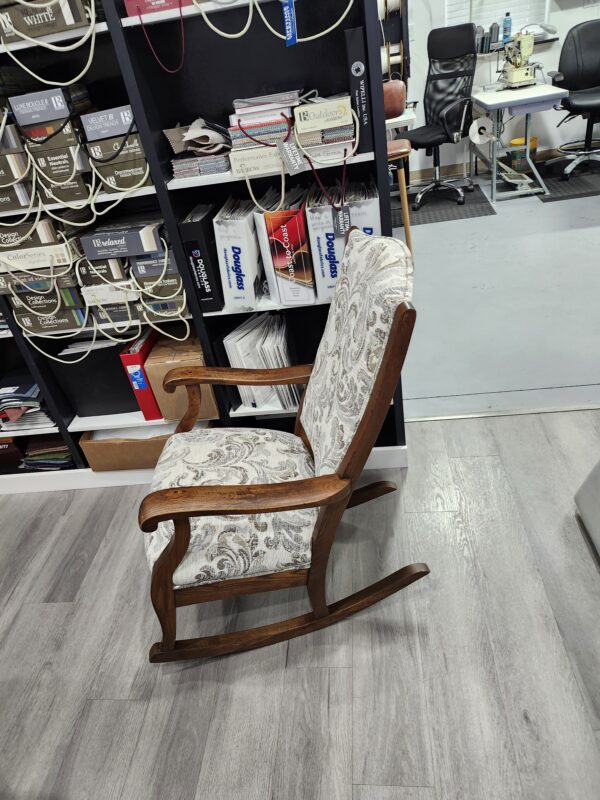
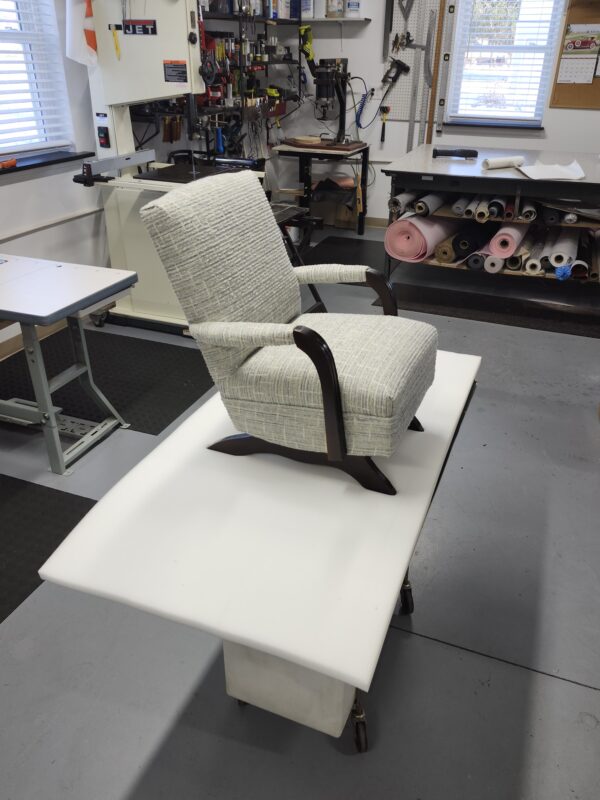
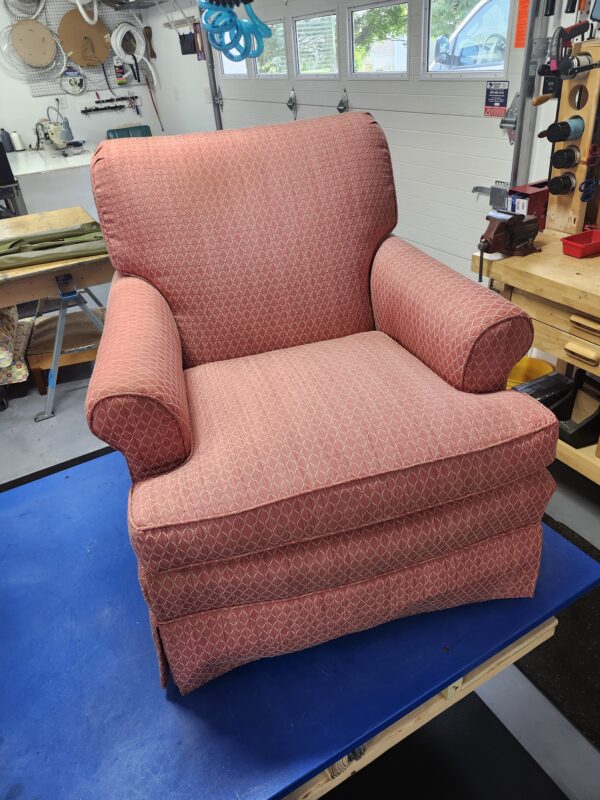
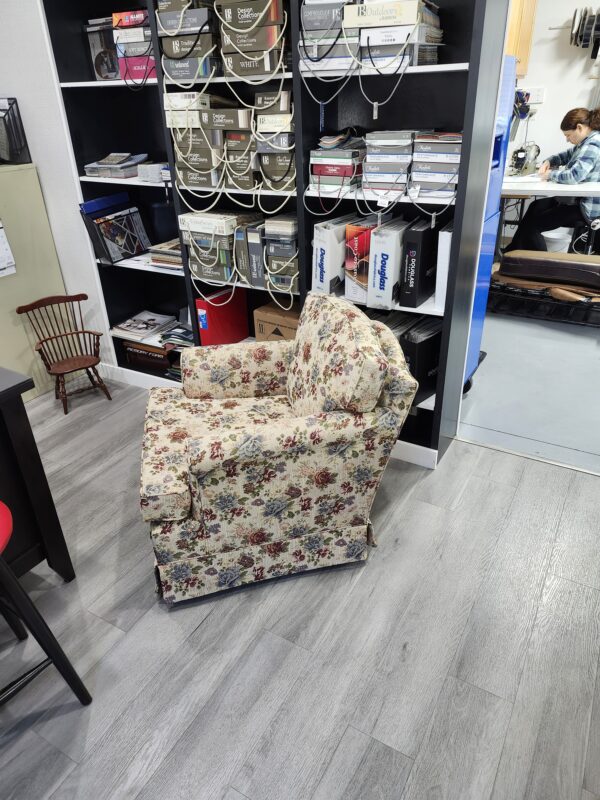
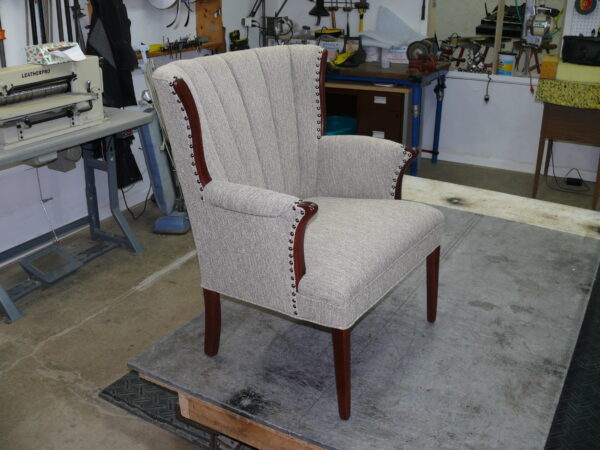
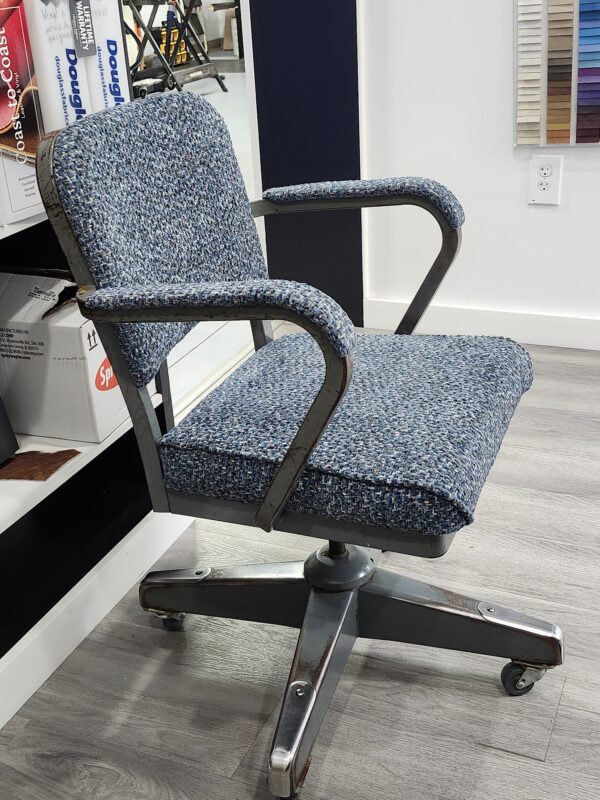
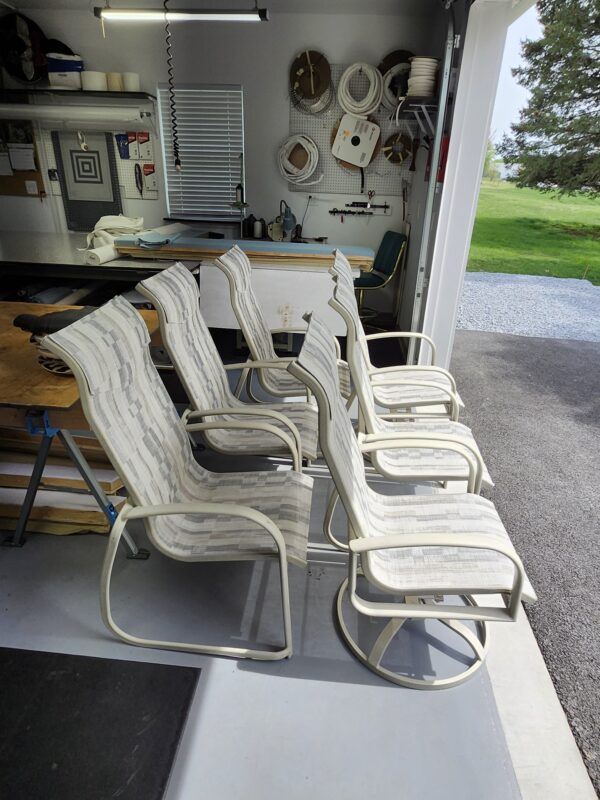
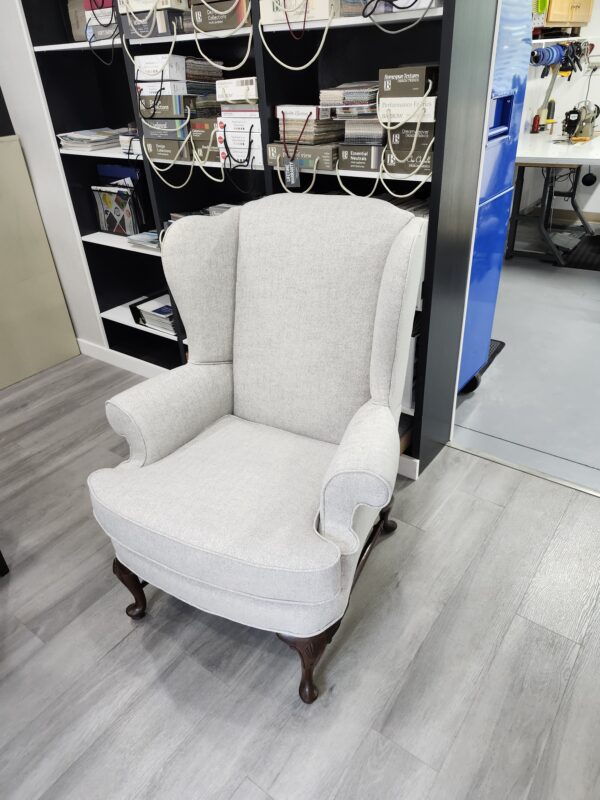
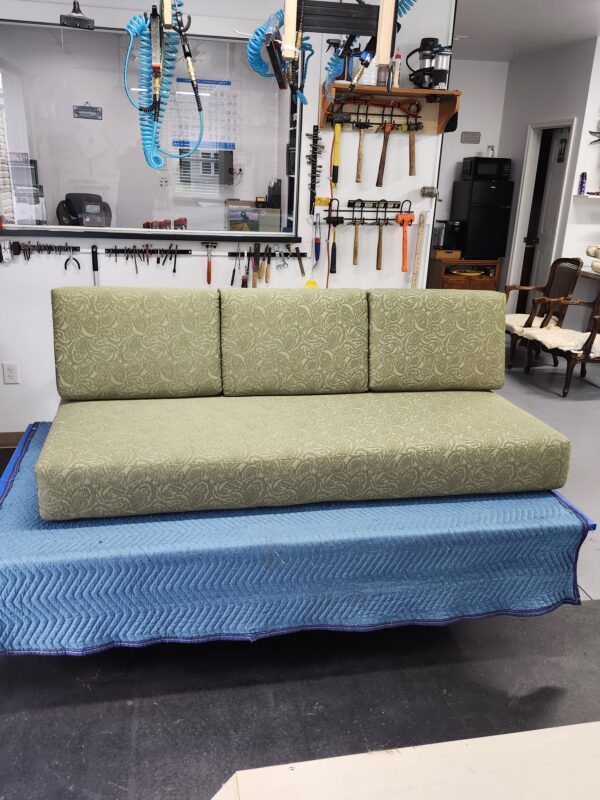
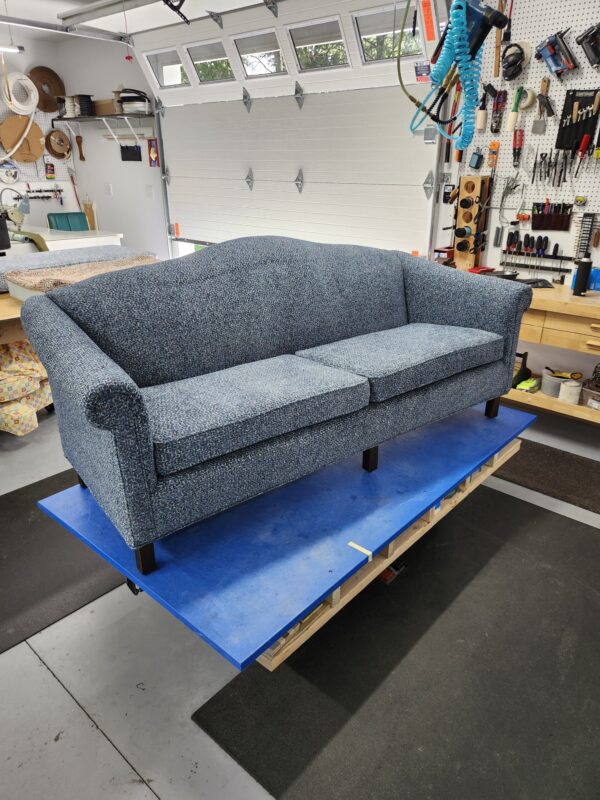
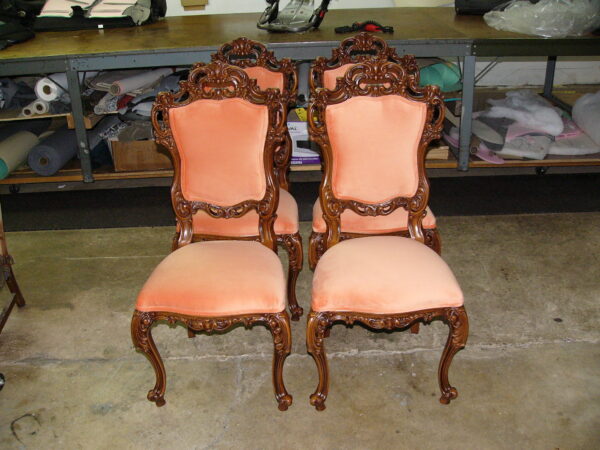
Upholstered dining chairs.
- Project: Upholstery chairs
- Category: upholstery furniture.
Our Task
complete upholstered chairs with new foam & fabric



Upholstered dining chairs.
complete upholstered chairs with new foam & fabric
Dining chairs are the marathon runners of household furniture. A wingback might get sat in for an hour in the evening. A dining chair gets dragged across the floor, tipped onto its back legs, leaned on, stood on to reach the good dishes, and loaded three times a day for decades. When a set of upholstered dining chairs comes into our shop, we are not just looking at tired fabric. We are looking at furniture that has survived more mechanical abuse than anything else in the house.
That is exactly why they are worth restoring. A set of older dining chairs that has held together this long was built properly, and a proper rebuild of the seats and joints will send it back out for another generation of dinners. Here is how we think about these chairs, and what an owner of a set should know before deciding anything.
Nearly every upholstered dining chair falls into one of two camps, and knowing which one you own tells you half the story of the job ahead.
The first is the drop in seat, also called a slip seat. The upholstery lives on a separate frame or platform that lifts out of the chair, held by a screw or two or simply by gravity and a snug fit. Webbing or a solid base, a pad of hair or foam, muslin, and the show cover are built up on that removable platform. Drop in seats are the friendlier design: the seat comes to the workbench while the chair stays home, and the show wood never meets a tack.
The second camp is over rail upholstery, where the fabric is fixed directly onto the chair’s seat rails and finished with double welt, gimp, or decorative nails against the show wood. These seats often carry a more serious foundation, sometimes small coil springs tied over webbing on older sets, and the upholstery is part of the chair’s structure in a way a slip seat never is. Over rail work demands more of the upholsterer, because every tack lands close to finished wood and every trim line is on permanent display.
Under either seat sits the part owners rarely think about: the joinery. Dining chairs live and die at the joint where the side rails meet the back posts. Mortise and tenon or doweled joints, reinforced by glued corner blocks, take the full leverage of every lean and tip. When a chair rocks or creaks, that is where it is happening.
Fabric wear on dining chairs is obvious and honest: seat covers take spills, abrasion from sliding in and out, and the polishing effect of daily use until the pattern wears away in an oval right where everyone sits. Foam pads from later decades harden and crumble. Older hair pads mat down and shift, so the seat feels lumpy at the front edge where the stuffing has migrated.
The structural damage is quieter. Seasonal humidity swings shrink and swell the wood until glue lines fatigue, and old animal glue, strong as it is, eventually crystallizes and lets go. One loose joint changes how the whole chair carries load, which then loosens its neighbors. A chair that has been wobbly for two years is usually a chair with four failing joints, not one. Corner blocks split, stretchers pop loose, and on over rail seats the rail wood itself can become so peppered with old tack holes from past recovers that it barely holds a fastener.
None of this dooms a set. It just defines the work. Institutions that study historic furniture, among them the study collections at Winterthur, have documented centuries old chairs still structurally sound because their joints were maintained and reglued across generations. Maintenance is the tradition. Neglect is the anomaly.
A set job starts with an honest census. We examine every chair individually, because in any set of six or eight, two chairs have lived harder lives than the rest. Pricing happens here too: every piece is quoted individually after inspection, and with sets that means you know exactly which chairs need structural work and which need only new seats.
Structure comes before fabric, always. Loose joints are taken apart as far as they allow, cleaned of dead glue, and reglued under clamps. Split corner blocks are replaced, and rails riddled with old tack holes are filled or reinforced so new fasteners have something to bite. On antique sets we make the preservation call joint by joint: original blocks, original stuffings, and original webbing stay wherever they are still doing their jobs, because unnecessary replacement erases the evidence of how the chair was made. What has failed is renewed in kind, hair pads with hair or a quality equivalent, tied springs retied by hand.
Then the seats. Drop in platforms are stripped, rewebbed, padded, and covered on the bench. Over rail seats are rebuilt in place and finished with double welt or nail trim to match the set’s original detailing. Cutting and sewing for six or eight seats has to be ruthlessly consistent, with every cover cut to the same template from the same dye lot, and this is where the equipment matters. The industrial walking foot machines and cutting setup described on our machinery page are what keep seam allowances and welt identical from the first chair to the last. If you want to see the process at the scale of a single chair, our guide on how to completely recover a dining chair walks through it step by step.
The philosophy running through all of it is the same one behind our antique restoration work: respect the structure, renew the soft goods, and leave the piece more durable than we found it. You can see the results in the antique dining room chairs we restored and in the classic chair we reupholstered and refinished, which needed both the upholstery and the woodwork sides of the shop.
Dining seats face the toughest fabric duty in the house: food, drink, friction, and frequency. Beauty still matters, but here it has to be armored. We steer owners toward tightly woven fabrics with high abrasion ratings, and for families who actually use their dining room, performance weaves that release stains with a damp cloth have earned their reputation. Vinyl and leather have their place on some styles, especially where wipe down cleanup is the priority.
Pattern choice has a practical angle too. Mid tone colors and small, busy patterns hide the inevitable crumb and shadow far better than pale solids. On antique sets, a period appropriate stripe, small damask, or textured weave keeps the look honest while modern fiber content quietly does the durability work. And because seats are small, dining sets are a rare chance to use a spectacular fabric without a spectacular yardage bill.
If your project involves more than seats, tired finishes, a chair of a different style that needs blending into the set, or a bench to match, that range is covered in our overview of the different types of furniture restoration services, which explains where reupholstery ends and refinishing begins.
The single best habit for dining chairs costs nothing: lift, do not drag. Sliding a loaded chair across the floor levers the back joints every time. Teach the household to tip forward slightly and lift, and the glue lines will thank you for years. Discourage leaning back on two legs for the same reason, though we accept that some battles are unwinnable.
Beyond that, treat the seats like the upholstery they are. Brush or vacuum crumbs from the seams regularly, blot spills at once, and keep the set out of harsh direct sun that fades one side of the table faster than the other. Moderate indoor humidity protects the joinery, so avoid parking the set against a radiator or over a heat register. Once a year, grip each chair and give it a gentle twist test. Any new movement means one joint wants attention, and a single reglue now is far smaller than a rebuild later.
If the fabric is being changed, yes, recover all six so the set matches in color and wear from day one. Structural repairs, on the other hand, only go where they are needed. Half the value of an individual assessment is not paying for work a chair does not need.
Usually, yes. Tied coil seats on older dining chairs are comfortable, durable, and part of the chair’s quality. We retie them with new twine over fresh webbing rather than ripping them out. Where a previous shop already removed the springs, we rebuild with a firm padded foundation appropriate to the chair.
That is half of what we do. Bring photos of the room, the table, and any curtains or rugs, and we will pull sample options that work with the chairs’ style and your household’s reality. You choose from real samples in real light, never from a guess.
If your dining set is wobbling, fraying, or just wearing its third decade of dinners, we would like to see it. Request a quote with a few photos of the chairs and their seats, or call us at 717-383-6917. A good set deserves to stay at the table.
 Get a Free Quote!