


Project Details
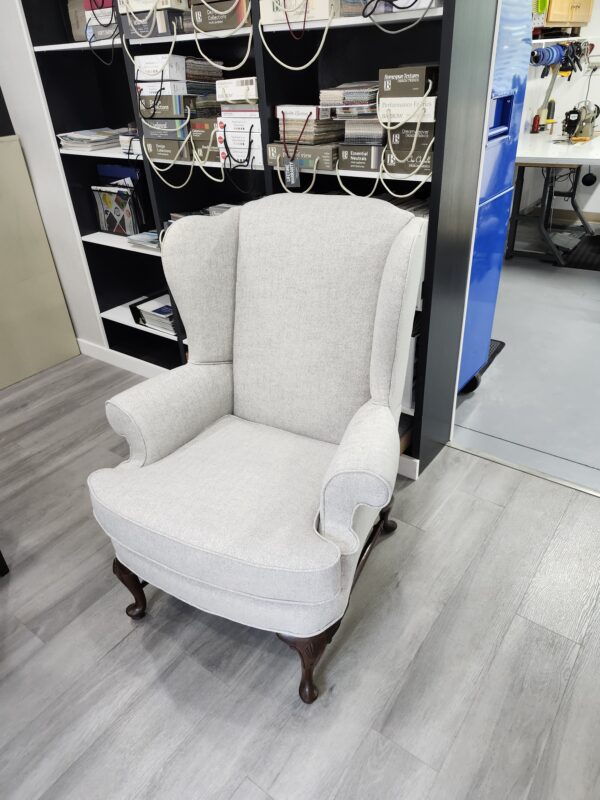
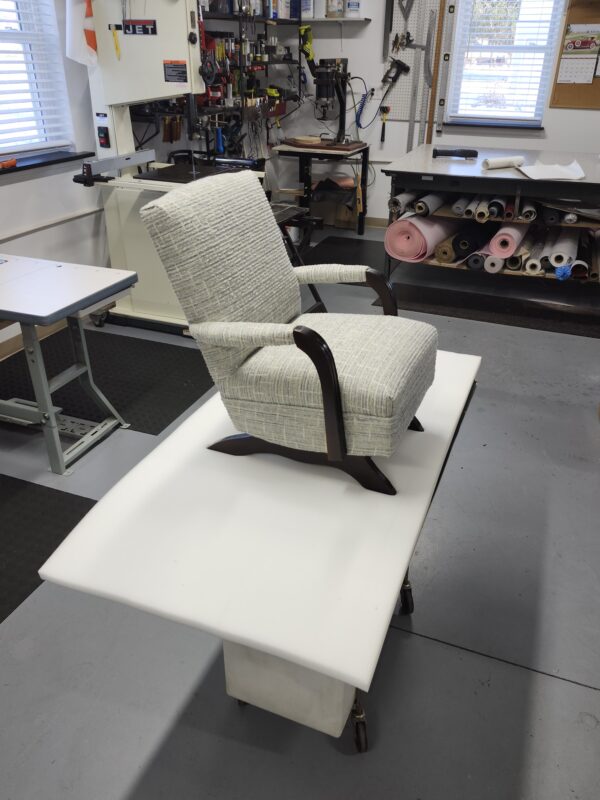
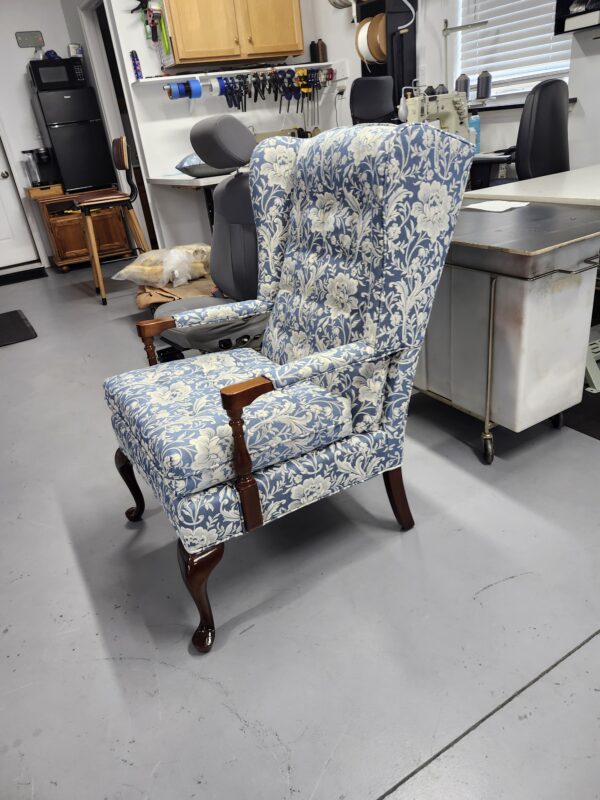
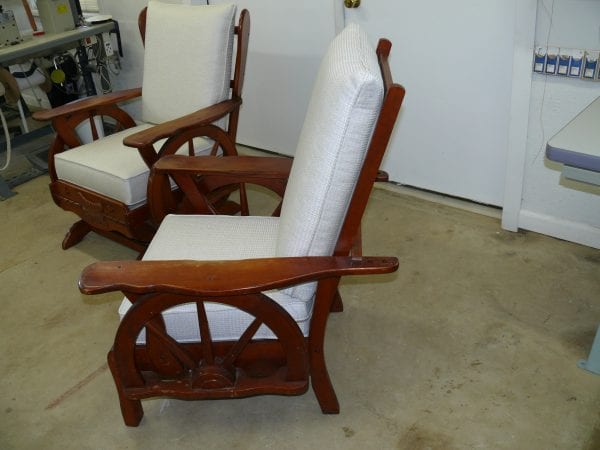
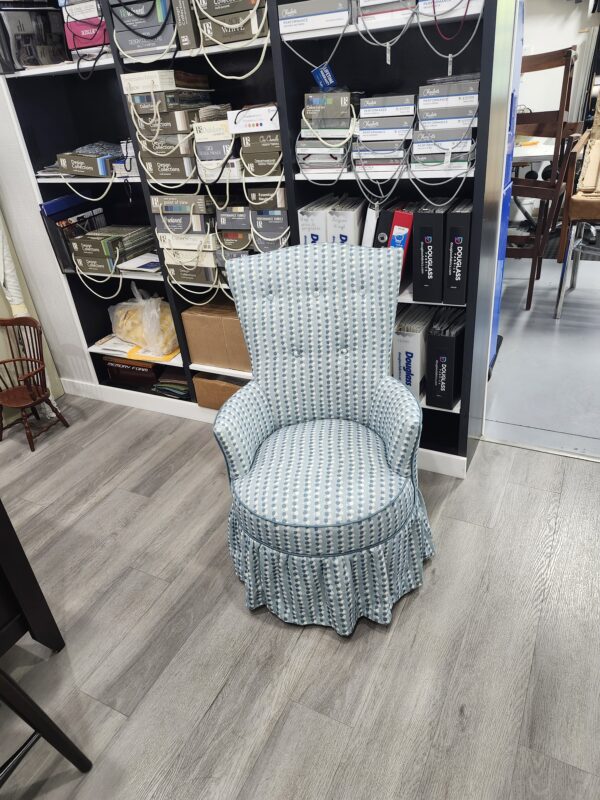
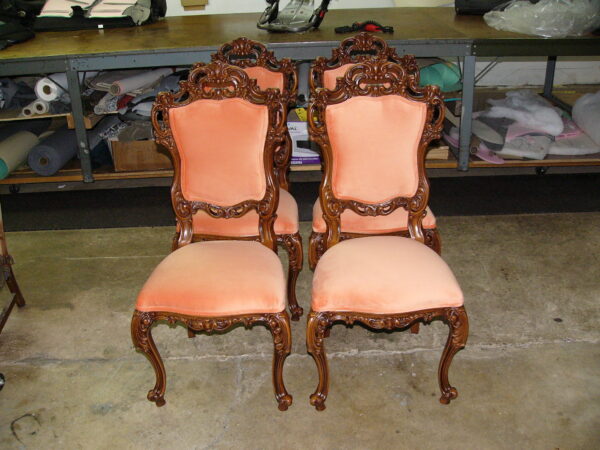
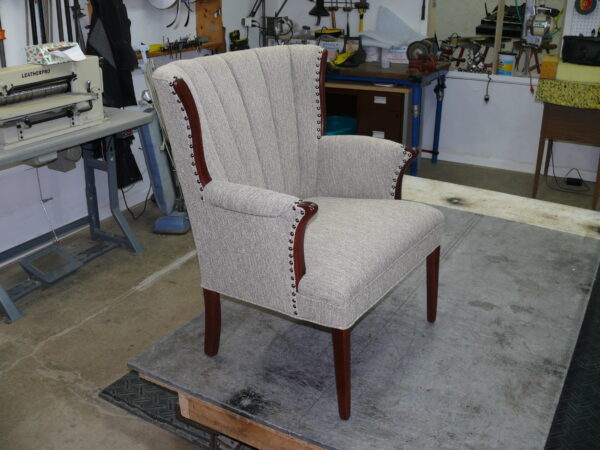
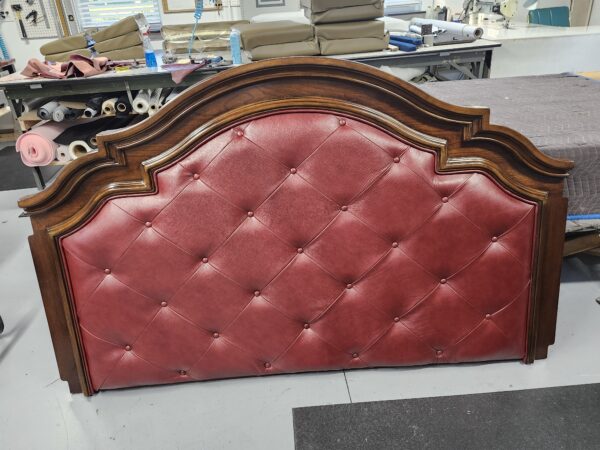
Soren chair upholstery with leather and hair hide.
- Project: New furniture
- Category: Furniture Upholstery
Our Task
Soren chair upholstery with leather and hair hide.



Soren chair upholstery with leather and hair hide.
Soren chair upholstery with leather and hair hide.
Some chairs announce themselves with carving and gilt. A Soren chair does the opposite. The name alone tells you where its heart is: Scandinavia, where designers spent the last century arguing that a chair should be light, honest, and comfortable without a single wasted line. Chairs in this tradition earn their keep through proportion, not ornament, and owners fall for them hard.
They also live hard. A lounge chair this inviting becomes the reading chair, the coffee chair, the cat’s chair, and the spot where teenagers fold themselves into geometry the designer never imagined. Ten or fifteen years of that and the cushions have lost their loft while the frame still looks nearly new. That gap between tired upholstery and healthy bones is exactly where our work begins.
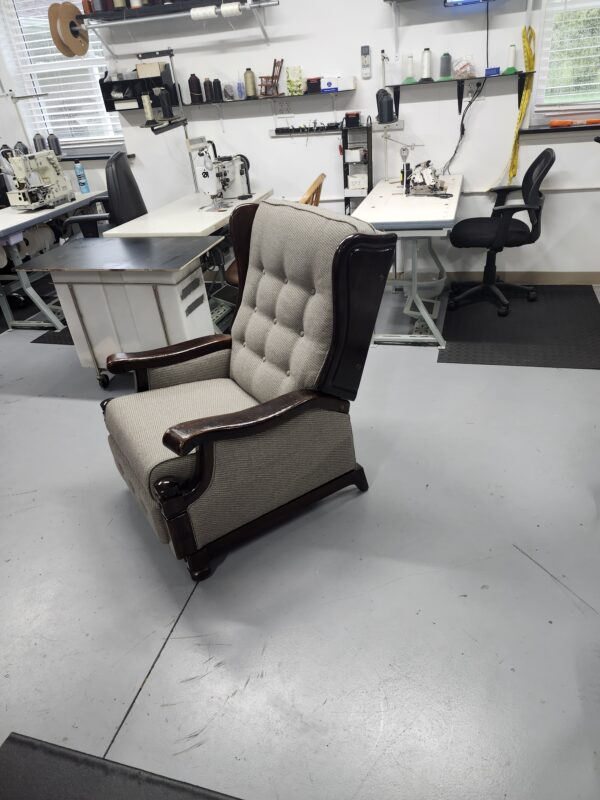
Identifying what you own is worth a few minutes before any restoration talk. Chairs in the Soren mold borrow from the Danish modern playbook: exposed wooden legs, often tapered and splayed slightly outward, a low slung seat, a back that reclines just enough to say relax, and upholstery drawn tight over clean foam shapes rather than piled deep in the Victorian manner. Some carry button tufting across the back cushion, a nod to older traditions delivered with modern restraint.
Look under the chair and at the frame joints for maker’s marks, stamped numbers, or fabric tags. Even without a label, construction tells a story. Solid wood legs bolted through corner brackets suggest quality production; a hardwood frame with proper joinery under the upholstery suggests even better. The lineage of these forms is beautifully documented in the Victoria and Albert Museum furniture collection, where you can trace how mid century designers stripped the lounge chair down to its essentials and made restraint itself the style.
Proportion is the other fingerprint. Scandinavian lounge chairs typically sit lower than traditional armchairs, with a seat height that invites lounging rather than perching and a back angle set for conversation, not typing. Measure yours before restoration and we will keep those numbers sacred, because an inch of extra foam in the wrong place can turn a lounge chair into an apology.
A chair like this sits at an interesting point in upholstery history. Unlike a Victorian piece with hand tied coil springs and horsehair, a Scandinavian style lounge chair typically rides on sinuous zigzag springs or elastic webbing stretched across the frame, topped with shaped foam and a layer of polyester or cotton wrap. The cover is cut close and sewn precisely, because tight upholstery over simple shapes leaves mistakes nowhere to hide.
That construction is not a shortcut; it is a different philosophy. The comfort lives in the geometry and the foam specification rather than in deep stuffing. It also means the restoration conversation changes. There is rarely a preservation debate about the padding, because foam is a consumable. It does its job for a couple of decades and then it is done. The frame, the legs, and the silhouette are what carry the value, and those we protect fiercely. Cushion cores vary too: some designs use a single slab of foam, others laminate two densities so the seat is soft at the surface and supportive underneath. Knowing which the maker intended guides what we build back.
Foam is almost always the first casualty. It oxidizes from the inside, losing resilience until the cushion that once held you now merely remembers you. Seat foam crumbles at the front edge, back cushions go flat behind the shoulders, and any tufting pulls unevenly as the substrate softens. Zigzag springs occasionally snap at their clips, which announces itself as a single spot where the seat gives way more than the rest.
Fabric wears where forearms land and where the seat meets the front edge. Light colored weaves pick up a gray cast from years of skin contact that no home cleaning fully lifts. Wooden legs collect scuffs and the occasional water ring, and threaded leg bolts loosen with seasonal wood movement. None of this is fatal. All of it together simply means the chair is due, the way a good car is due for tires and brakes.
We start with an honest assessment, because a chair like this deserves a plan rather than a habit. A modern classic gets the same discipline as the rest of our antique restoration projects: assess first, promise second. We check the frame, the spring platform, the leg fittings, and the condition of every layer. Then teardown: the old cover comes off carefully and becomes our pattern, seam by seam. We note exactly how the factory handled corners, tufting, and seam placement so the restored chair keeps the designer’s intent rather than our interpretation of it.
New foam is cut and shaped to the original profile in the density the chair actually needs, which often means firmer seat foam and softer back foam rather than one material everywhere. Springs and webbing are repaired or replaced as found. Then the new cover is cut, sewn, and fitted drum tight, tufting is pulled to even depth, and the whole piece is steamed and finished. This is the full version of what we described in our guide on how to reupholster a chair, executed with shop equipment and shop patience. If you want to see where that happens, you can tour our shop and watch chairs in every stage of undress.
Fabric choice makes or breaks a minimalist chair. Busy florals fight the silhouette; the classics here are textured solids, wool blends, boucle, tight weave linens, and leather. Scandinavian tradition loves fabric with visible texture and quiet color, letting light and shadow do the decorating. A heavier weight helps the upholstery hold its crisp lines, and a high rub count matters because these chairs get daily use, not parlor duty.
Pay attention to scale even within subtle textures. A boucle with a large loop reads cozy on a generous frame but lumpy on a tight one; a fine herringbone does the opposite. We also think about how a fabric behaves at the seams, since tight upholstery telegraphs bulk. Thick cloth needs careful seam engineering to keep corners sharp, and that planning happens at the cutting table, not on the chair.
Leather is equally at home on this style and ages gracefully, as the hides on the Italian antique leather dining chair we worked on prove across a much older design language. Color is where owners get to be brave. A saturated teal or mustard on a simple frame reads as intentional in a way it never could on an ornate one. We will pull samples in both directions, safe and bold, and let you live with them at home before deciding.
Keep the chair out of unfiltered afternoon sun, which fades textiles and dries any exposed wood. Vacuum the upholstery monthly with a brush head, and rotate or flip loose cushions if the design allows so wear spreads evenly. Blot spills at once with a white cloth; never scrub, and never soak. Check the leg bolts once a year with a gentle hand, snug rather than cranked. Wood legs want an occasional wipe and, every few years, a light coat of quality furniture wax.
Treat cleaning products with suspicion until tested somewhere hidden. Modern performance fabrics tolerate a lot; natural wool and linen want gentler handling. When in doubt, call us before experimenting. Quality pieces reward this kind of modest attention for decades, which is the whole argument we laid out in our piece on how heritage furniture keeps its quality through restoration. The modern classic in your living room is a future heirloom, but only if it is maintained like one.
If the frame is sound and the design still makes you happy, yes. Well made modern classics are built to be recovered, and the result is a chair fitted to your room in fabric you chose, with new comfort throughout. Replacement furniture of comparable build quality is harder to find every year.
That is precisely the job. We pattern directly from the original cover, match seam placement stitch for stitch, and pull tufting to uniform depth on the bench. Tight modern upholstery is unforgiving work, which is honestly why we enjoy it.
Bring it in anyway. Construction, hardware, and materials usually tell us the era and the quality tier even when the label is long gone. The restoration plan follows the chair in front of us, not the name attached to it.
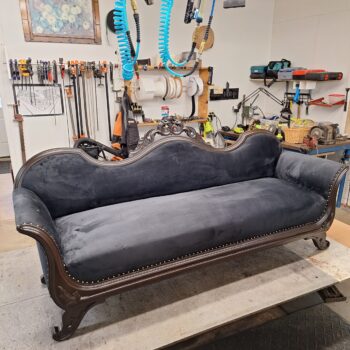
A flat cushion is not the end of a good chair; it is an invitation. Whether the piece in your living room is Scandinavian and spare or as generous as the Victorian style living room sofa we reupholstered, the path back starts the same way. Send photos through our free online estimates page or call 717-383-6917, and we will tell you plainly what your chair needs and what it deserves.
 Get a Free Quote!