


Project Details
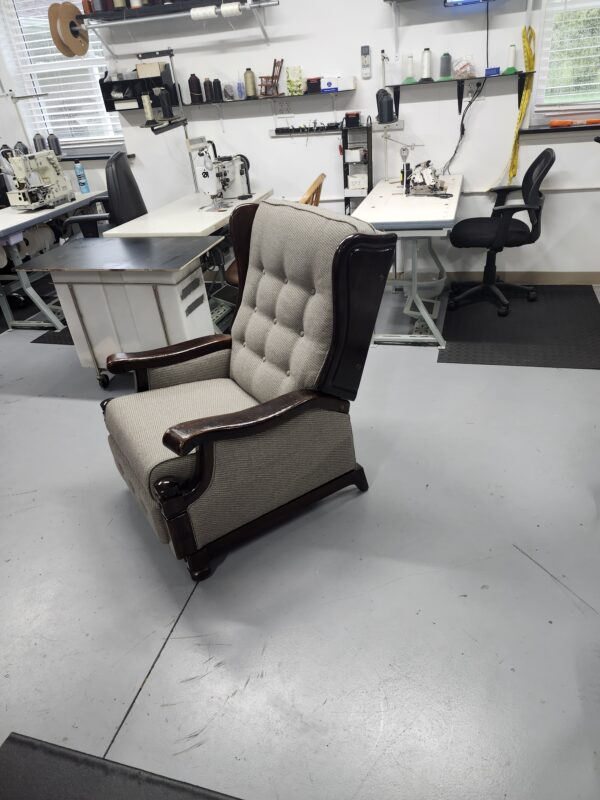
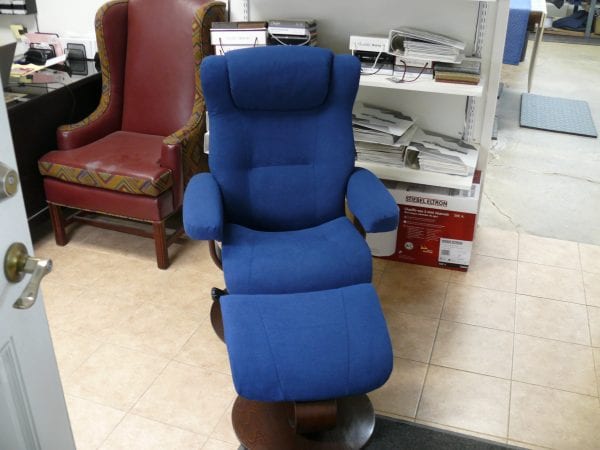
The modern Uburu chair was in need of new cushion.
- Project: Reupholstery and Repair
- Category: Furniture Upholstery
Our Task
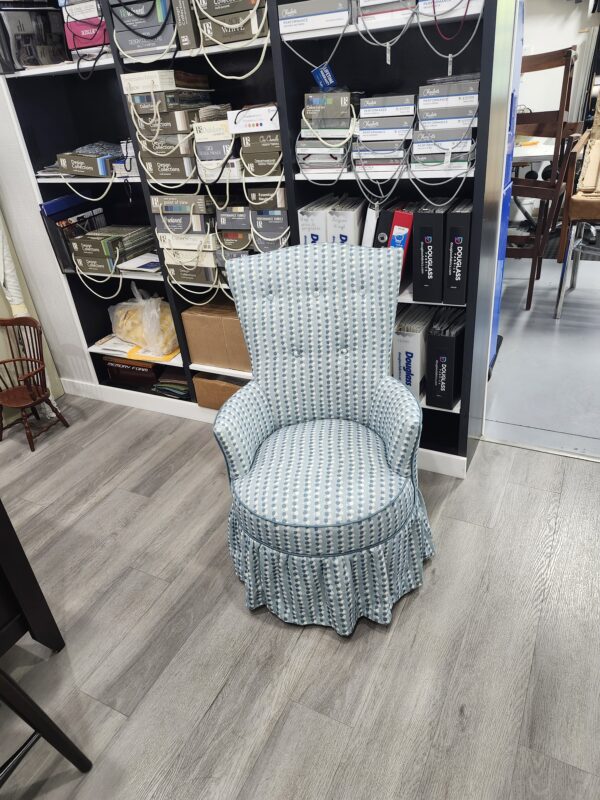
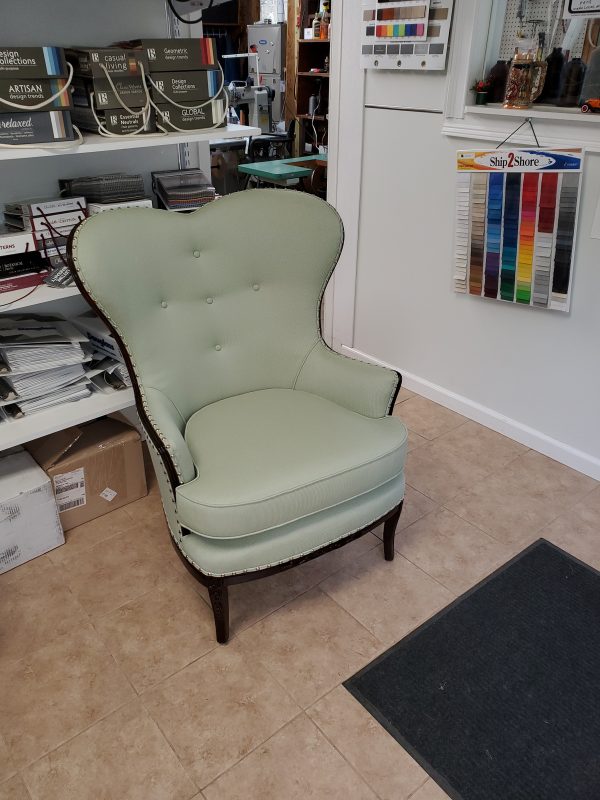
We provided completely new upholstery for this vanity piece.



The modern Uburu chair was in need of new cushion.
We provided completely new upholstery for this vanity piece.
Not everything that earns a spot in our shop is a hundred years old. Now and then a thoroughly modern piece comes in, like a leather lounge chair from Uhuru Design, the Brooklyn studio known for turning reclaimed wood and honest materials into serious furniture. A chair like that is built to last generations. Its cushion, the one part that takes a body’s full weight every single day, is usually the first thing to need a craftsman’s attention.
Owners of designer pieces are often surprised that we take this work as seriously as we take a Victorian parlor chair. We see no contradiction. Today’s studio furniture is tomorrow’s antique, and the cushion we build for it decides whether the chair spends the next thirty years being sat in or being avoided.
A factory sofa cushion is a foam slab in a bag. A cushion for a designed chair is closer to tailoring. The frame was drawn with specific proportions, so the cushion has to hold a precise loft and edge line or the whole silhouette goes soft. The seams need to land exactly where the designer intended a shadow line. Even the direction the leather is cut matters, because hide stretches differently along the spine than across it.
There is also the matter of honesty in materials. A studio that builds frames from salvaged timber did not intend for its chair to wear bonded leather and bargain foam. Matching the intent of the maker is the same discipline we practice in our antique restoration work, just pointed at a piece whose maker is still around to have opinions.
When a chair like this arrives, we start by studying how it was built and how it has been used. Wear patterns tell us where the sitter actually carries weight. The frame tells us how the cushion is meant to be captured, whether it floats on a platform, nests between arms, or ties to a rail. If an original cushion survives, we measure it in every direction and take a pattern from its panels before deciding what to keep and what to improve.
Seat pitch is the sleeper detail here. The angle between the seat platform and the back determines whether a chair holds you or dumps you forward, and cushion loft is part of that equation. Build the new cushion an inch too tall and a perfectly designed chair suddenly sits wrong. So we measure the platform angle, note the intended crush under a seated adult, and target the finished height the designer drew, not just the height of whatever cushion happens to survive.
This reading step is where we catch problems that have nothing to do with the cushion. A cracked corner block or a loose joint is far easier to address now than after new leather is on. We learned that lesson over many years of frame work, including projects like the wingback chair that needed a full armrest replacement, where the upholstery was only ever going to be as good as the structure under it.
Leather selection makes or breaks the result. For a piece with a natural, workshop character, we lean toward aniline or lightly protected semi aniline hides. Aniline leather is dyed through with no heavy surface coating, so it shows grain, develops patina, and feels alive under the hand. The tradeoff is that it drinks spills and shows scratches, which some owners love and some do not.
Semi aniline adds a thin protective finish that keeps most of the character while forgiving coffee and dogs. Fully pigmented leather, the kind on most commercial furniture, is the most durable and the least interesting to touch. We walk owners through actual hide samples rather than photographs, because leather is a material you choose with your fingers. Thickness matters too: seating leather in the range of one millimeter or a bit more takes seams well and resists stretching into a hammock.
Color matching against an existing chair body is its own small science. Dye lots vary, hides vary within a single tannery, and leather shifts tone as it ages. We match against the chair in daylight and lamplight both, and we aim for the shade the existing leather is becoming, not the shade it was on delivery day.
The insert is where comfort actually lives. We build most leather seat cushions around a high resilience foam core, chosen by density and firmness for the sitter and the seat height, then wrap it in polyester batting or a down and feather jacket depending on the look the owner wants. A crisp, architectural edge calls for a tight wrap. A softer, lived in crown calls for a channeled down jacket that lets the top billow slightly.
Then comes the cover. We cut panels from the best real estate on the hide, keeping scars and brands out of the seat unless the owner wants that character front and center. Seams are sewn with bonded nylon thread, corners are eased rather than forced, and zippers go in where they can be reached but not seen. On our furniture upholstery bench, a leather cushion gets dry fitted, adjusted, and fitted again, because leather does not forgive a seam ripped out twice.
Seam styling deserves its own conversation with the owner. A welted edge, where a leather covered cord runs in the seam, gives a tailored, traditional outline and protects the seam from abrasion. A clean knife edge reads more modern and suits minimalist frames. Double needle topstitching splits the difference, adding a quiet line of detail without bulk. Thread color matters too, since a contrast stitch turns every seam into a design element while a matched stitch lets the hide do the talking. None of these choices is wrong. They just have to be made on purpose.
One more thing a good leather cushion needs: a way to breathe. Leather is far less permeable than fabric, so a tightly sealed cushion sighs like an air mattress when you sit and fights you when it refills. We plan for airflow with breathable bottom panels or discreet vent zippers on hidden faces, so the cushion compresses smoothly and recovers without theatrics.
People sometimes ask why a single cushion involves this many decisions. The honest answer is that cushion work sits inside a whole family of services, from full rebuilds to targeted repairs, and knowing which level a piece needs is half the job. Our overview of the different types of furniture restoration services explains how we sort that out, and why every piece is quoted individually after we inspect it.
Leather wants three things: moderate light, moderate humidity, and a little conditioning. Keep the chair out of direct sun, which fades aniline hides faster than owners expect, and away from heating vents that dry the hide until it stiffens. Wipe dust with a barely damp cloth, and condition once or twice a year with a product made for your leather type, tested first in a hidden spot.
The conservation world has thought hard about caring for leather and upholstered objects, and the American Institute for Conservation’s guidance on caring for your treasures is worth a read for anyone who owns furniture they intend to pass down. Their advice matches what we tell clients across every era of piece we touch, from studio chairs to the antique rocking chair and loveseat pair we restored: steady conditions beat heroic rescues every time.
And if disaster does strike, act fast but do not panic. Blot spills immediately, never rub, and get wet leather drying slowly at room temperature, away from heat. We have brought furniture back from far worse than a spilled glass of wine, as our post on whether flood damaged furniture can be restored makes clear.
It helps, but it is not required. An original gives us a pattern and a record of how the maker intended the chair to sit. Without one, we template directly from the frame, study photographs of the model when they exist, and build a muslin mockup before cutting leather. The result fits either way.
Firmer than you think on day one. Quality foam softens about ten to fifteen percent as it breaks in, so a cushion that feels perfect in the shop can feel tired in a year. We spec the core so it lands at your preferred feel after break in, not before, and we will happily let you sit test options on the bench.
Not instantly, and anyone who promises otherwise is selling something. What we can do is choose a hide that ages along the same path, match the current tone closely, and let time close the gap. Within a season or two of normal use, most owners stop being able to point to the new panel.
If a favorite chair, modern or ancient, needs a cushion built the way the rest of it was built, send us a few photos through our quote page or call the shop at 717-383-6917. We will tell you honestly what the piece needs and build it to outlast us both.
 Get a Free Quote!