


Project Details
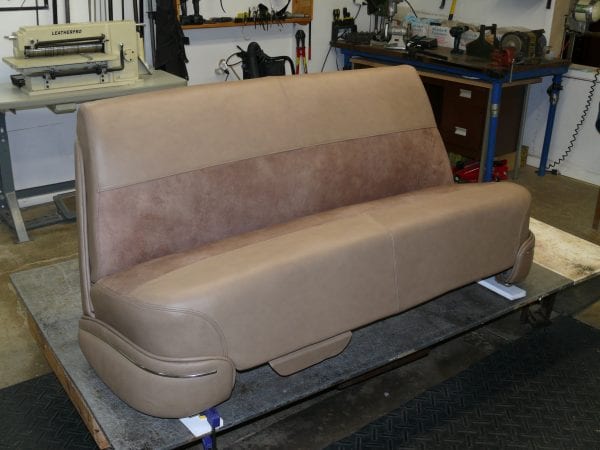
Volvo 1960 Leather Seats had no hope in customer’s opinion.
- Project: Classic Auto
- Category: Auto Upholstery
Our Task
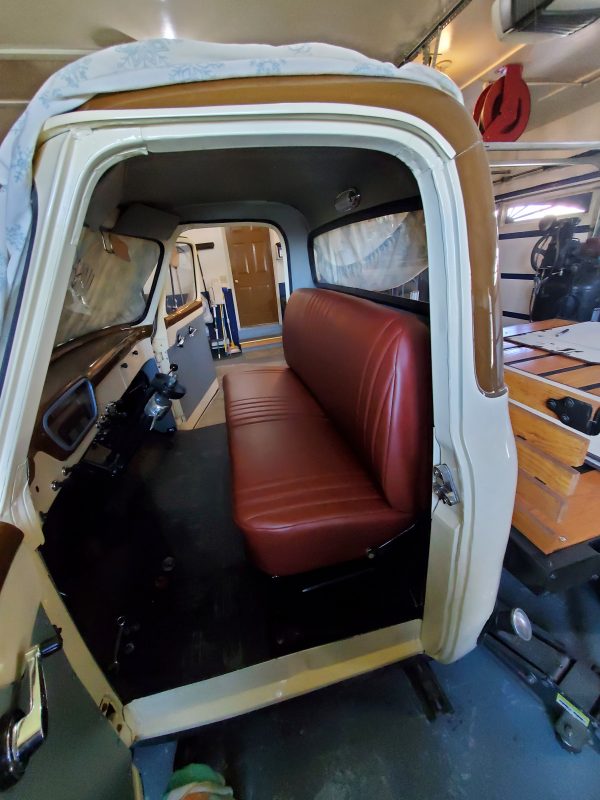
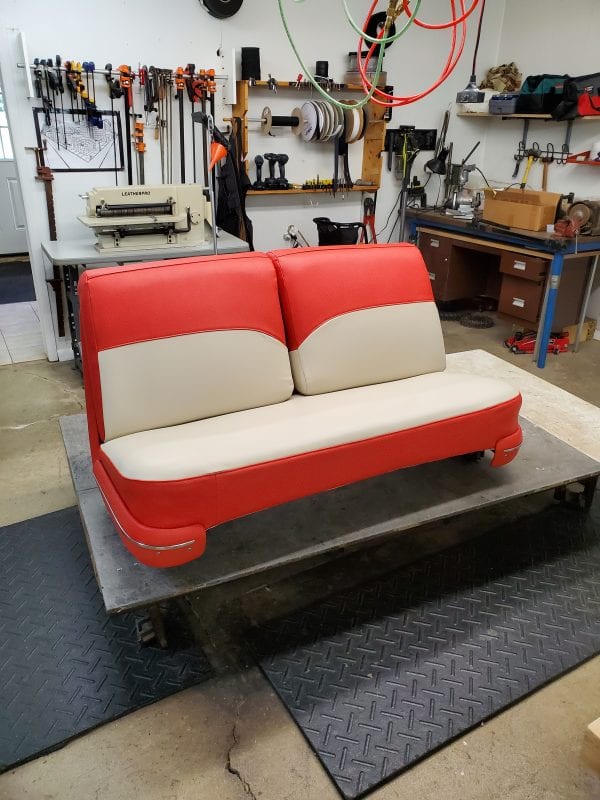
After applying Alex’s upholstery skill Volvo seats were brought to life.



Volvo 1960 Leather Seats had no hope in customer’s opinion.
After applying Alex’s upholstery skill Volvo seats were brought to life.
Few combinations age as gracefully as red leather in a sensible Swedish car. Volvos from 1960 were engineered with an almost stubborn faith in longevity, and their interiors were trimmed to match: sturdy seats, honest materials, and that glorious shot of red against restrained paint. It is the automotive equivalent of a banker in a bright silk tie.
The owners who bring these cars to us tend to have long histories with them, and the question is nearly always the same. The seats are worn, the color has gone quiet, the leather feels dry. Can it be saved, or does it all have to go? The answer is rarely all one thing or the other, and that is exactly what makes these projects interesting.
Red interiors raise the stakes, too. The color was a statement when these cars were new, and owners feel strongly about keeping it true to what the factory intended, which puts extra weight on every decision about dye, hide, and finish that follows. A quiet beige cabin forgives a slightly imperfect match. A red one announces it to the whole parking lot.
Volvo built seats in that era the way it built everything, for the long haul. Stout steel frames, coil springs under real padding, and covers cut from thick, well tanned hides in the seating areas, with durable vinyl often serving on panels that took less wear. Seams were sewn strong and simply, pleats ran in tidy rows, and the whole assembly was made to be serviced rather than thrown away.
Leather of that period carried less plastic in its finish than modern automotive hides. It breathed, it developed patina, and it responded to care the way good shoes do. That is why Volvo leather from that era can sometimes still be revived after more than sixty years, where a cheaper interior of the same age would have crumbled to dust decades ago.
The seats themselves were shaped for upright, alert driving, closer to a good office chair than to the low slung buckets in the sports cars of the day. That posture is part of the car’s character, and it deserves protecting during restoration. When padding gets rebuilt too soft or too tall, the driving position changes and the car stops feeling like itself. Keeping the original geometry matters as much as keeping the original hides.
Old leather fails in stages, and each stage calls for a different answer. Dullness, light scuffing, and grime respond to careful cleaning and conditioning, which is conservation, not restoration. Fading and worn finish with the hide still supple underneath can take professional cleaning followed by re dyeing and refinishing, and the results can be startling. Deep cracking that goes through the hide, tears, or panels gone hard and brittle mean replacement, either of individual panels or the full cover.
A gentle flex test tells much of the story. Leather that folds silently and springs back has life left in it. Leather that creaks, stays creased, or shows pale cracking at the fold is past saving. On most seats of this age we find a mix, which is why the honest recommendation is usually a combination: conserve here, refinish there, replace what is truly gone.
History leaves other clues on these seats. Many have been treated at least once over the decades, sometimes well, sometimes with a thick coat of vinyl paint that sits on the surface like a plastic shell and cracks in its own separate pattern. Part of reading the leather is working out what previous hands did to it, because a hide suffocating under old repaint can often be stripped and revived, while a hide that was left alone and simply dried out calls for a different approach entirely.
Everything starts with photographs and a panel by panel assessment before a single hog ring is cut. Preserving originality matters on cars like these, a value the Historic Vehicle Association has championed in its work recording historically significant automobiles, and documentation is what lets a future owner know exactly what was done and why.
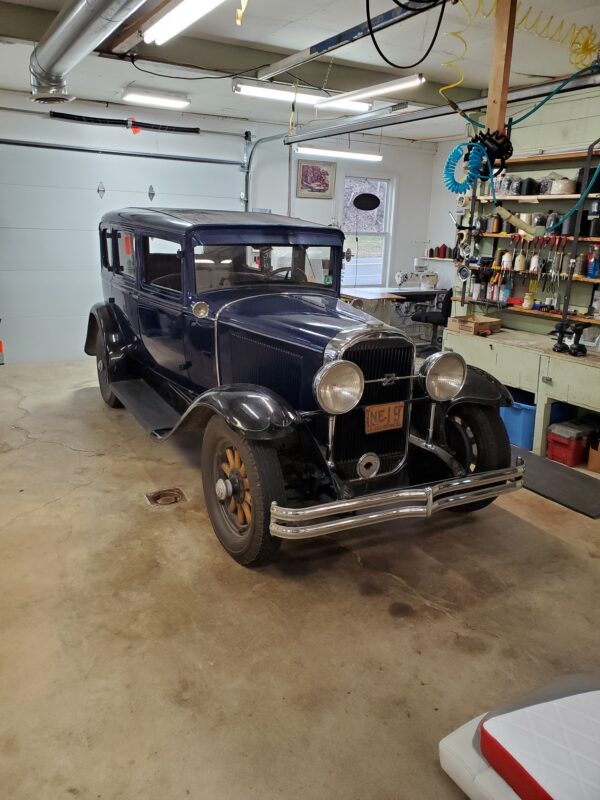
Teardown follows, and the seats tell their fuller story. Springs get retied or replaced, frames get cleaned and treated, padding gets rebuilt to original contours with materials that will not powder away. Panels marked for replacement are patterned from the originals, cut from hides finished to suit the car, and sewn with seam and pleat spacing that matches the surviving panels. This blend of conservation and rebuild is the heart of our auto upholstery work on vintage cars. European projects like the 1967 Sunbeam Imp we reupholstered get the same treatment, and so do earlier Americans like the 1930 Buick interior we handled. The badge changes. The standard does not.
The seats never travel alone, either. Door panels, kick panels, armrests, and the rear bench all share the same red, and refreshing the fronts without considering the rest of the cabin creates a mismatch you can spot from the sidewalk. We plan the whole interior on day one even when the work happens in stages, so every piece is aiming at the same finish line.
Color is the soul of an interior like this, and matching it is genuine craft. Sixty years of sun never fade a cabin evenly. The top of a seatback may be shades lighter than the bolster that lived in shadow, so the first decision is which red the car should wear: the warm, mellowed tone it has today, or the bolder factory shade it wore when new. There is no wrong answer, but the whole interior has to agree on it.
We match dyes and finishes against physical samples in daylight, test on hidden areas first, and bring refinished and new panels to the same tone so the eye reads one continuous color. The skill translates across everything the shop touches, and it is the same discipline we describe in our furniture piece on how a chair gets reupholstered, where color and tension decisions make or break the result just the same.
Grain and sheen matter as much as hue. A replacement hide with the wrong grain pattern or a glossier finish will read as foreign even in a perfect color match, especially in low afternoon light raking across the seat. We select hides with the period’s tighter grain and a soft, low sheen finish, then adjust the gloss in the final coats so old and new panels catch the light the same way.
A revived interior wants shade, moisture, and moderation. Park out of direct sun when you can and use a windshield shade when you cannot, because UV is what took the color the first time. Condition the leather a few times a year with a quality product, applied thin. Keep the car in stable humidity if possible, since leather that swings between damp and bone dry ages fastest. Clean with a barely damp cloth and mild soap, never kitchen degreasers.
The vinyl surfaces deserve their own routine, and our guide on cleaning vinyl upholstery covers it well. Ten gentle minutes a month will hold the line for years.
Storage habits round out the picture. A car that winters under a breathable cover in a dry garage comes out in spring ready to drive. One stored under plastic sheeting in a damp barn comes out with mildew in the seams and a musty cabin that takes weeks to air out. Leather is skin, and it does best in conditions a person would find comfortable, which is a handy rule of thumb for any storage decision you face.
Possibly not. Faded leather with a sound hide underneath is a candidate for cleaning, re dyeing, and refinishing rather than replacement. We assess panel by panel and only recommend new covers where the material itself has failed. Keeping original hides in service is always our first preference.
Yes. We can match either the factory shade or the mellowed color the interior wears now, whichever direction you choose. Matching is done against physical samples in daylight, and we blend refinished and new panels so the cabin reads as one color.
When it is intact, often yes. Period padding shapes the seat the way the factory intended, and we can top it up rather than toss it. When it has broken down, we rebuild to the original contour with modern materials that hold their shape far longer.
If your Volvo’s seats have gone quiet with age, let us take a look. Request a quote, call 717-383-6917, or stop in and tour our shop to see this kind of work in progress. Every interior is assessed and quoted individually after inspection, and we will tell you plainly what deserves saving.
 Get a Free Quote!