


Project Details
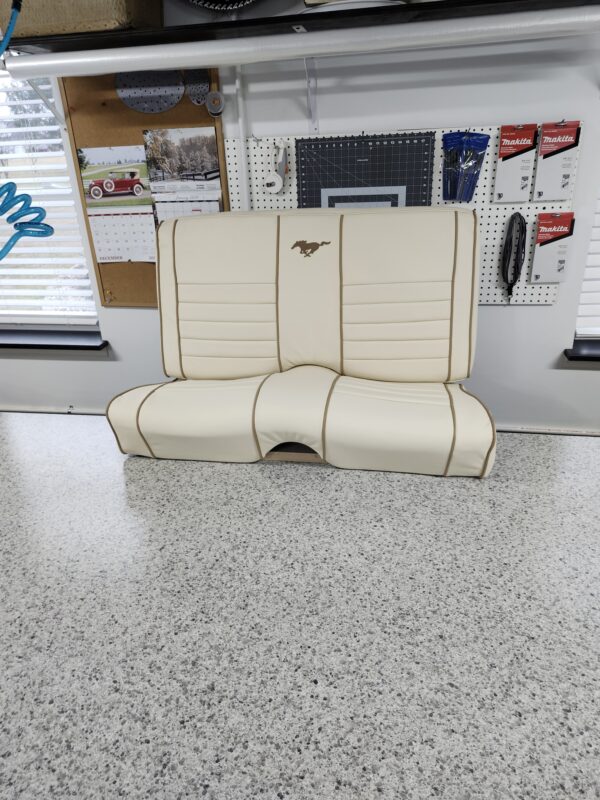
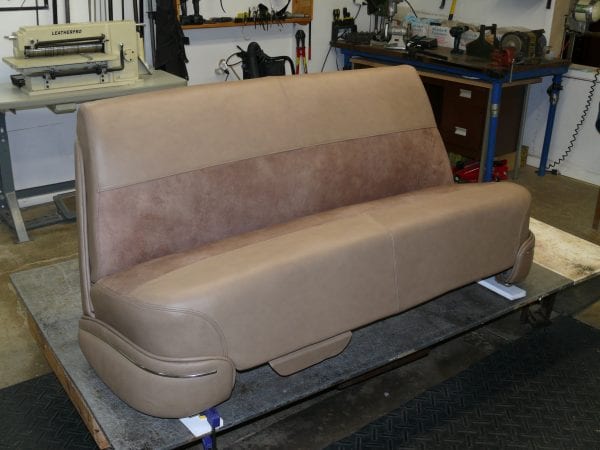
Weared 2007 Mustong Seats need som serious reupholstery.
- Project: Classic Auto
- Category: Auto Upholstery
Our Task
The seats were restored to a brnd new condition with brightemned color and new feel.



Weared 2007 Mustong Seats need som serious reupholstery.
The seats were restored to a brnd new condition with brightemned color and new feel.
The 2005 to 2009 Mustang pulled off a neat trick. It gave drivers a thoroughly modern car wearing a silhouette borrowed from 1967, and people loved it enough to put serious miles on them. Those miles land hardest on the seats. By now, most of these cars show the classic signs: cracked leather on the driver’s outer bolster, a cushion that has lost its shape, stitching gone fuzzy along the seams.
These cars are worth fixing properly. Clean examples are already being tucked away by enthusiasts, and the model year is marching toward the age where clubs like the Antique Automobile Club of America start counting a car as an antique. A seat rebuild done right disappears into the car as if the factory installed it, except the materials are better than the factory used.
Strip the cover off a 2007 Mustang seat and you find a steel frame, molded foam buns, and a cover held tight by listing rods and hog rings, with plastic trim finishing the base. On leather equipped cars, the factory covers are leather on the seating faces and color matched vinyl on the sides and backs, a combination that surprises plenty of owners. Heated seats add an element just beneath the surface, and the outboard side of each front seatback houses a side airbag.
The design is efficient rather than romantic. Nothing inside is hand fitted, everything is built to be assembled quickly on a line, and that is actually good news for restoration. Panels are consistent from car to car, fasteners are logical, and a shop that knows the platform can strip and rebuild a pair of fronts without drama. Compare that with hand built seats from decades earlier, where every car is its own puzzle, and the modern seat starts to look refreshingly cooperative.
That airbag is the detail that matters most. The seam ahead of it is engineered to split open in a deployment, sewn to a specification rather than for looks. Any shop rebuilding these seats has to understand and respect that, which is one reason slip on covers from a catalog are not the same conversation as proper reupholstery.
Cloth equipped cars deserve a note as well. The factory fabric wears differently, going thin and fuzzy at the bolster rather than cracking the way coated leather does, and the cushions underneath suffer the same collapse. Plenty of owners use a rebuild as the moment to move from cloth to leather entirely, or to a leather look synthetic that shrugs off spills. The frames and foam are the same underneath, so the upgrade is a matter of covers, not surgery.
Entry and exit do the damage. Every time you climb in, your weight drags across the outboard bolster, flexing and abrading the same few square inches of leather thousands of times a year. Add cabin heat, since a parked car in summer becomes an oven, and the finish dries and cracks along the flex lines while the passenger seat sits there looking smug and nearly new.
Color plays a quiet role in the timeline as well. Dark charcoal interiors hide the early stages of wear, so those owners often discover the damage late, after cracks have already opened. Light parchment interiors show dye transfer from denim years before the leather itself is in trouble, which sends those owners in early. Same seats, same miles, very different moments of truth.
Foam collapse follows the same map. The bolster foam crushes where you slide across it, the cushion loses its edge support, and the seat stops holding you in corners the way it once did. Recovering tired foam with new leather is half a job, so we always evaluate the two together and treat the seat as a system.
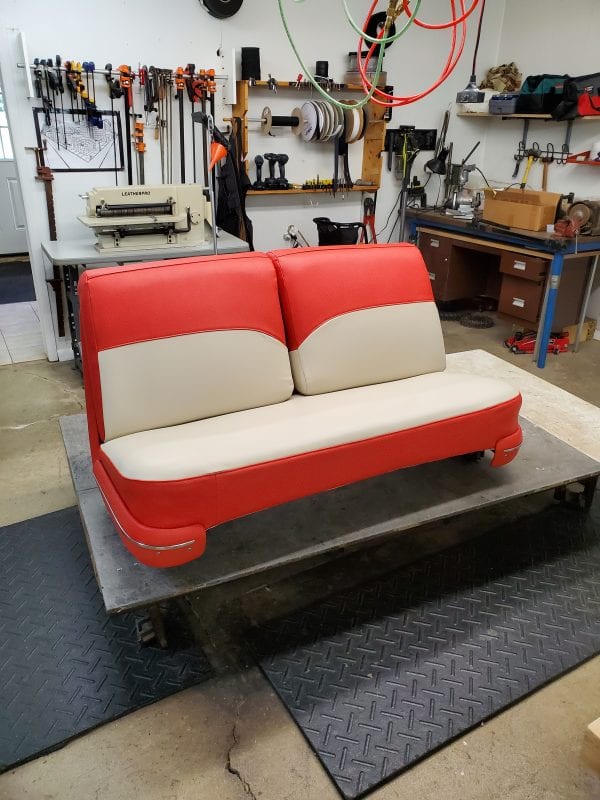
The seats come out of the car and get stripped completely. Covers come off ring by ring, heating elements and airbag hardware are handled with care and documented, and the foam is assessed honestly. Bolsters can often be repaired with bonded foam sections shaped to the original profile. New covers are built on the originals as patterns, in leather matched to factory grain and color, or in a custom direction when an owner wants contrast stitching, perforated inserts, or a two tone scheme the factory never offered.
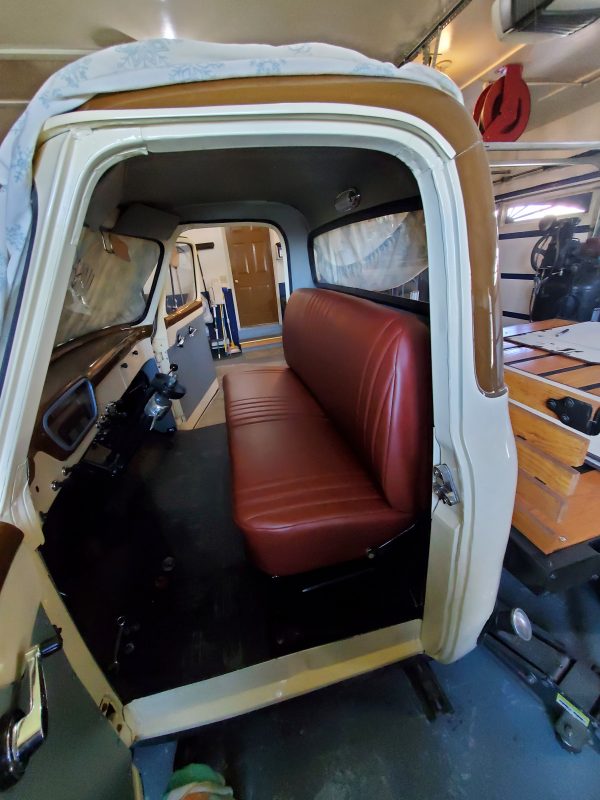
Reassembly is where patience shows. Fresh hog rings at every listing point, covers steamed and pulled so panel seams track the edges of the foam, trim panels back on without a rattle. This is everyday work for our auto upholstery bench, and the fundamentals reach across every era we touch, from the 1960 Volvo red leather seats we brought back to the 1950 truck bench we rebuilt. Different decades, same discipline.
Heated seats get special attention on the bench. The elements are tested before teardown so we know exactly what worked going in, handled carefully during the strip, and tested again before the covers close up. Headrests and rear seats join the conversation too, since fronts rebuilt in fresh leather can make an untouched back seat look tired by comparison. Some owners do everything at once, others stage the work over time, and both approaches turn out fine when they are planned from the start.
Matching the factory recipe means leather faces with vinyl sides and backs, and it is a sensible recipe, putting the premium material where your body touches it. Going full leather is a popular upgrade that adds a richer feel on every panel. Modern synthetics deserve a fair look too. Today’s premium vinyls and faux leathers resist UV and wear impressively, and our post on faux leather as an upholstery material makes the case for where they fit best.
The practical move is to handle real samples. Our fabrics and leather upholstery page shows the range we work with, and we will happily pull swatches against your interior color in person. Options like perforated inserts help heated seats breathe, and details like French seams or factory style deck seams change the character of the finished seat more than most owners expect.
Stitch color is the sleeper decision. Factory seats used subdued matching thread, and staying subtle keeps the cabin looking stock. Contrast thread in red, white, or blue wakes the whole interior up and pairs naturally with a stripe package on the outside. It costs nothing in durability either way, which makes it one of the rare choices that is purely about taste.
Leather in a car this age wants a routine, not heroics:
All of that together takes maybe ten minutes a month, and it is the difference between leather that ages gracefully and leather that repeats the factory cover’s fate.
New leather also has a short break in period. It arrives a touch stiffer than the worn covers you remember, and it relaxes into shape over the first weeks of driving. Resist the urge to hit it with heavy conditioners right away. The finish is fresh, the hide is healthy, and the best thing you can do early on is simply drive the car and let the seat learn your shape.
Yes, when the work is done properly. We preserve and reinstall the airbag hardware and build the deployment seam to function as designed rather than sewing it shut with heavy thread. It is precisely why this job belongs in a trim shop rather than under a universal slip cover.
Sometimes a single panel can be replaced, and we will say so when it makes sense. The honest caveat is color: the rest of the seat has faded for years, so a lone new panel can stand out. We advise after seeing the seat in person.
We match against your actual interior rather than a color chart, which gets very close. Because sun fade shifts every cabin a little differently, many owners choose to do both front seats together so the pair wears and ages as a set.
If your Mustang’s seats look every mile of their age, send us photos through the free online estimates page or call 717-383-6917. We will look everything over and quote the job individually, and you will know exactly what your seats need before any work begins. Fronts usually come out and go back in within a tight window, so a daily driver is not stranded while the work happens.
 Get a Free Quote!